

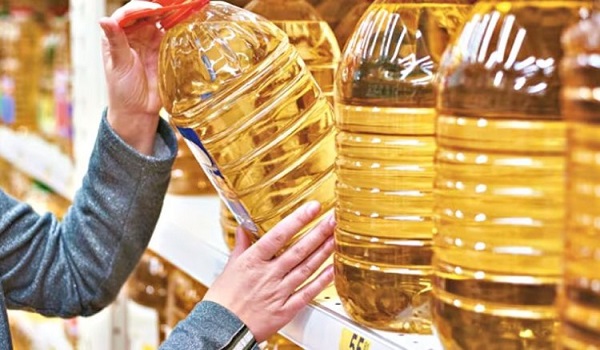
India should aim to become 50-60% self-sufficient in edible oils to reduce import dependence and strengthen food security, according to Wilmar International chairman Kuok Khoon Hong. India currently imports nearly 60% of its edible oil needs, with palm oil forming the largest share.
Khoon Hong said stable government policies on import duties and oilseed support are necessary to encourage domestic cultivation, warning that frequent tariff changes create uncertainty for farmers and processors.
His remarks come amid rising global edible oil prices driven by geopolitical tensions and higher crude oil prices, which have increased the diversion of palm and soybean oils toward biodiesel production. Retail edible oil prices in India have reportedly risen 20-25% over the past four months.
He added that palm oil prices are likely to stay firm as long as crude oil remains above $100 per barrel and biofuel demand continues to grow.
India has launched the National Mission on Edible Oils–Oil Palm to boost local production, though concerns remain over sustainability and infrastructure. Experts believe improving oilseed productivity, modern farming practices, and policy consistency will be key to reducing import dependence in the future.