

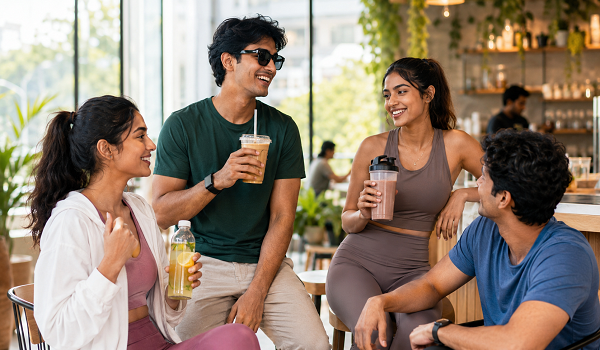
India’s fast-moving consumer goods (FMCG) companies are increasingly finding their next wave of growth in beverages, with coffee, ready-to-drink (RTD) products, protein beverages and low-sugar drinks emerging as key growth drivers.
Recent quarterly performances from major consumer companies indicate a clear shift in consumption patterns, with beverage segments outperforming broader product portfolios. This is prompting companies to expand offerings, introduce new formats and invest in premium and health-oriented products aimed at younger consumers.
Industry players including Nestlé India, Hindustan Unilever (HUL), Tata Consumer Products, Dabur India and Varun Beverages have reported strong momentum across beverage categories, reflecting changing preferences shaped by convenience, wellness and premium experiences.
Younger consumers, especially Gen Z, are driving this change by opting for beverages that combine functionality with lifestyle appeal. As a result, companies are moving beyond conventional soft drinks and juices into protein-based drinks, hydration products and customised beverages.
Nestlé India reported strong double-digit growth in its powdered and liquid beverages business, supported by rising coffee consumption and premiumisation. The company also continued expanding its premium coffee presence through its Nespresso retail network.
HUL recorded strong growth in its coffee portfolio and nutrition brands such as Horlicks and Boost. It also entered the ready-to-drink protein category with Horlicks Protein RTD beverages, showing how established brands are adapting to evolving demand.
Tata Consumer Products reported gains in its coffee and RTD businesses, supported by newer categories including electrolyte drinks, kombucha, matcha-based beverages and functional hydration products.
Dabur India also saw strong growth in its beverage portfolio, especially premium categories. Its Real Activ 100% juice segment witnessed substantial growth during the latest quarter, while its coconut water business more than doubled.
Healthier alternatives are becoming more visible across the industry. Varun Beverages, PepsiCo’s largest franchise bottler outside the United States, reported that low-sugar and no-sugar products accounted for a significant share of its March quarter sales volumes.
Industry experts believe words such as “protein”, “wellness” and “health-focused” are increasingly attracting younger consumers who are willing to pay premium prices for perceived nutritional benefits.
Coffee is emerging as one of the strongest long-term opportunities for consumer companies. Rising household penetration beyond southern markets, product innovation and premium offerings are helping broaden coffee consumption across India.
The expansion of quick-commerce platforms is also accelerating demand, as beverages and functional products increasingly become impulse purchases on online delivery platforms.
According to industry estimates, India’s beverage market, valued at around $17.2 billion in FY24, is projected to maintain robust growth through the decade, driven by premiumisation and demand for health-oriented products.
As companies focus more on coffee, protein beverages, electrolyte drinks and low-sugar offerings, beverages are steadily evolving into a strategic battleground for India’s next phase of consumer growth.