

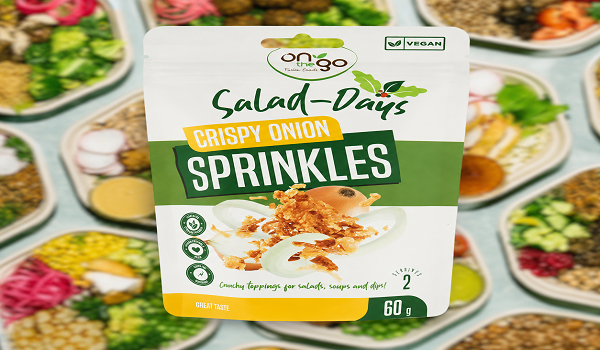
Fresh food and healthy meal brand Salad Days is accelerating its growth strategy across India, with plans to expand its cloud kitchen network, strengthen its supply chain infrastructure and target an annual revenue run rate of Rs 150–175 crore by the end of the current fiscal year.
The company, which currently operates 52 cloud kitchens across Delhi NCR, Bengaluru, Mumbai and Hyderabad, plans to increase its footprint to more than 75 kitchens during the financial year.
“We stand at 52 cloud kitchens, and the target is to cross 75 this FY. This will include further penetration in existing geographies and unlocking more new cities,” said Varun Madan, Founder and CEO of Salad Days.
As part of its expansion strategy, the company is placing a strong focus on Hyderabad, where it intends to establish nearly eight additional kitchens and build an annual business worth Rs 20–25 crore over the next 12 to 18 months.
“We should hit Rs 20 to 25 crores per annum in Hyderabad over the next one-and-a-half years,” Madan said.
At present, Salad Days operates 26 kitchens in Delhi NCR, 12 in Bengaluru, 11 in Mumbai and two in Hyderabad. The company is also evaluating further expansion opportunities, with Pune and Chennai emerging as potential next markets.
Alongside physical expansion, the company is strengthening its backend operations to support scale and maintain quality standards. Salad Days has shifted from a city-specific kitchen structure to a regional hub-and-spoke model designed to improve efficiency and ensure consistency in ingredient sourcing.
The company has also expanded its farm partnerships to secure direct sourcing of fresh produce from regions including Himachal Pradesh and Nashik.
“We have evolved our central production commissary capabilities in a big way. We are going directly to farms throughout the year so that produce directly lands into our central kitchens,” Madan said.
Salad Days is also investing in technology-led systems, including ERP capabilities, to enhance traceability and transparency across its operations.
“We want to position ourselves as an ingredient-first organization. The idea is not just to tell customers where their food was made, but whether it is fresh or not,” he added.
Under its new operational model, Salad Days plans to establish larger regional kitchens supported by smaller satellite cloud kitchens. The company estimates investments of around Rs 75 lakh to Rs 1 crore for smaller regional facilities, while larger central kitchens may require capital expenditure of Rs 4–5 crore.
The expansion comes at a time when demand for healthier and convenient meal options is gaining momentum in India’s food service market, prompting brands to scale rapidly and strengthen supply chains to capture emerging opportunities.