

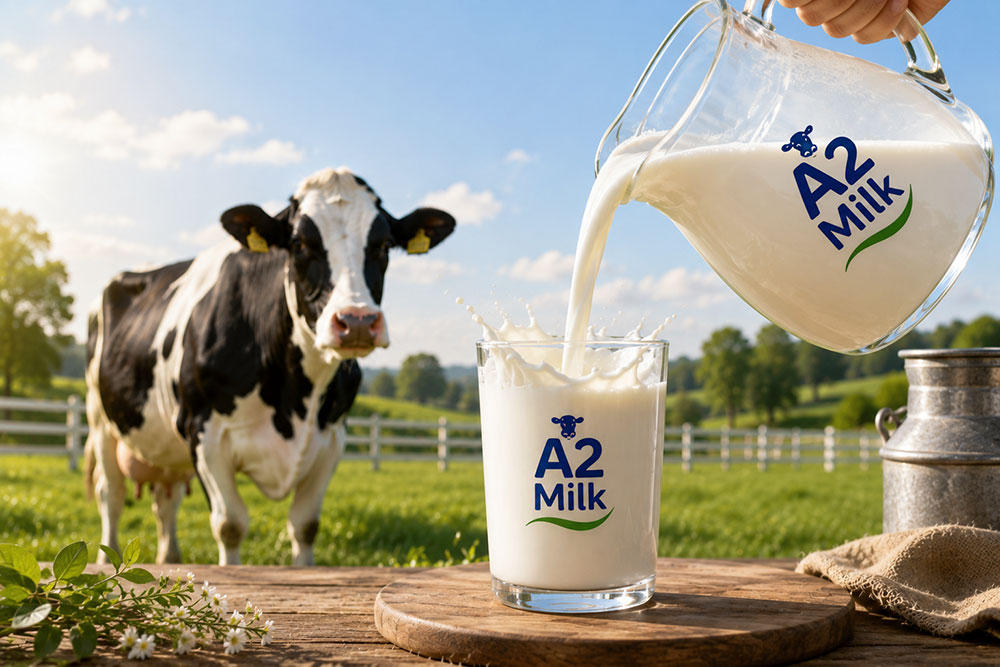
The global A2 milk market is witnessing robust growth as consumers increasingly opt for dairy products perceived to support digestive health and overall wellness. Growing awareness of the benefits associated with A2 beta-casein protein, along with rising demand for premium and clean-label dairy products, is driving market expansion across households and the food and beverage industry.
According to a recent study by Polaris Market Research, the global A2 milk market was valued at USD 13.50 billion in 2025 and is projected to reach USD 25.33 billion by 2034, registering a compound annual growth rate (CAGR) of 8.10% during the 2026–2034 forecast period. Rising awareness of lactose sensitivity, increasing disposable incomes and a growing preference for natural, minimally processed dairy products are expected to remain key growth drivers.
A2 milk is sourced from cows that naturally produce only the A2 beta-casein protein, unlike conventional milk, which contains both A1 and A2 proteins. Many consumers consider A2 milk easier to digest, contributing to its growing popularity among people seeking alternatives to traditional dairy products.
The broader shift towards healthier eating habits and greater transparency in food ingredients is further supporting demand for A2 milk. As consumers increasingly prioritise nutrition and functional foods, A2 milk has emerged as one of the fastest-growing segments within the global dairy industry.
Manufacturers are expanding their product portfolios with A2-based offerings, including milk powder, infant nutrition products, yoghurt, butter, cheese and flavoured dairy beverages, to cater to evolving consumer preferences. Product innovation, coupled with wider retail availability through supermarkets, specialty stores and e-commerce platforms, is helping strengthen market penetration.
The industry is also benefiting from advances in dairy farming, selective cattle breeding programmes and modern milk processing technologies, which are improving production efficiency and ensuring consistent product quality. These investments are expected to support growing demand while enabling manufacturers to scale production and maintain the nutritional characteristics of A2 milk.
With consumers showing a greater willingness to pay for premium dairy products that offer perceived health benefits, the A2 milk segment is expected to remain on a strong growth trajectory over the coming years.
I can also make this read more like a business newspaper report (Economic Times/Business Standard style) with a sharper lead and fewer promotional phrases.