

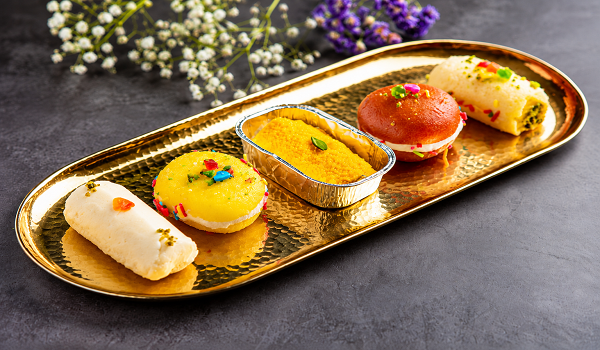
Bengali mishti continues to hold a distinctive place in the region’s food culture, serving not only as a dessert but also as a symbol of hospitality, respect and social relationships. However, growing concerns over excessive sugar consumption are creating a new challenge for a tradition deeply associated with sweets.
Kolkata remains at the centre of Bengal’s mishti culture, with neighbourhoods often identified by their traditional sweet shops. While several established family-owned businesses have expanded into multiple outlets, many popular sweet shops continue to operate on a relatively small scale, with consumers often debating the quality and authenticity of specific sweets across different establishments.
Mishti is also closely linked to social occasions. Offering sweets to guests, relatives and visitors is an established Bengali tradition, making it difficult to separate the consumption of mishti from the region’s broader social and cultural practices.
The cultural significance of Bengali sweets was highlighted by ethnographer Ishita Dey, whose research examines mishti across epaar-opaar Bengal and its connections with caste, gender, migration and changing social practices.
Her work also points to differences in sweet-buying practices across the two Bengals. In West Bengal, sweets are commonly purchased by individual pieces, while in parts of Bangladesh they are traditionally sold by weight, often in kilograms.
The sweet-making sector has also witnessed changes in its traditional social structure. Although sweetmaking was historically associated with particular communities, the profession has become more diverse over time. At the same time, the sector remains predominantly male, with women participating in more limited areas of production.
Milk, sugar and the changing mishti economy
Milk and sugar remain two of the most important ingredients in Bengal’s traditional sweets. Their availability has historically influenced the production and consumption of mishti.
During periods of milk shortages, government restrictions were imposed on the commercial use of milk for products such as sweets, paneer and ghee to prioritise household requirements. Such supply constraints also affected the availability of milk-based sweets.
Today, greater availability of ingredients has made traditional sweets more accessible, while changing consumer preferences are encouraging the industry to consider products that respond to growing health concerns.
Sugar reduction, portion control and alternative formulations could increasingly become relevant as consumers become more conscious of dietary health. However, for Bengal’s traditional sweet industry, the challenge is to accommodate these changes without compromising the taste, texture and cultural identity associated with mishti.
The debate therefore extends beyond the nutritional value of sweets. For Bengalis, mishti remains an important expression of culture and hospitality, while the growing emphasis on healthier diets is pushing consumers and sweetmakers to consider how the tradition can evolve.
The future of Bengali mishti may consequently depend on striking a balance between tradition, taste and moderation, allowing the category to retain its cultural importance while adapting to changing health-conscious consumption patterns.