

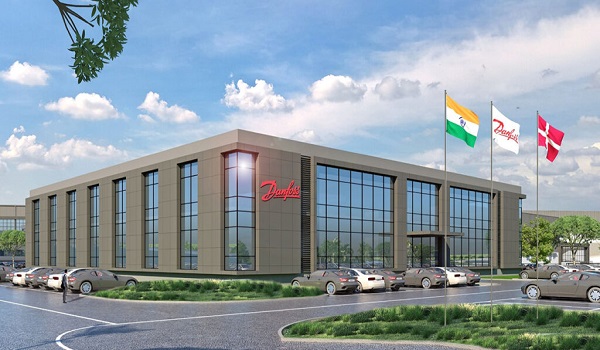
Amid ongoing fuel shortages and rising energy costs, Danfoss India is positioning its electric kitchen solutions as a viable alternative for the food service industry, offering a potential roadmap for operational resilience.
The company’s electric kitchen model is gaining attention at a time when disruptions in LPG supply—triggered by geopolitical tensions in the Middle East—are impacting restaurants, cloud kitchens, and institutional caterers across India. Many food businesses have been forced to scale down operations or temporarily shut outlets due to inconsistent fuel availability.
Danfoss India’s solution replaces conventional gas-based cooking systems with energy-efficient electric alternatives, designed to ensure uninterrupted kitchen operations. The model integrates advanced heating technologies, temperature control systems, and energy optimisation tools aimed at improving both efficiency and sustainability.
Industry stakeholders say the shift toward electrification could help reduce dependence on volatile fuel supplies while also aligning with long-term sustainability goals. Electric kitchens are also seen as safer and more consistent in performance compared to LPG-based systems, particularly in high-volume commercial environments.
The ongoing Iran–Israel conflict has exposed vulnerabilities in traditional energy-dependent operations, prompting businesses to explore alternative solutions. In this context, Danfoss India’s approach is being viewed as a scalable model for the future of commercial kitchens.
While adoption may require upfront investment and infrastructure upgrades, experts believe the long-term benefits—ranging from cost stability to operational continuity—could accelerate the transition toward electric cooking systems across the food service sector.
As the industry navigates supply disruptions and cost pressures, solutions such as electric kitchens may play a crucial role in building a more resilient and future-ready food ecosystem in India.