

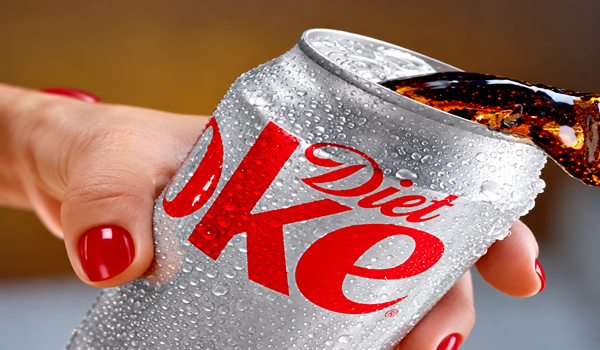
Coca-Cola’s Diet Coke is becoming more expensive in several Indian markets, with select bottlers and neighbourhood retailers raising the price of a 330-ml can to ₹70 from ₹50 amid rising aluminium costs and supply constraints.
The price increase has been reported across Delhi-NCR, Mumbai, Bengaluru and Goa, even though cans produced at Coca-Cola’s own facilities continue to carry an MRP of ₹50.
An independent Coca-Cola bottler said the increase was driven by the rising cost of aluminium cans, describing the situation as unsustainable. Industry sources cited a year-on-year increase of around 30% in prices of can-grade aluminium.
The supply crunch has been linked to disruptions following the West Asia conflict earlier this year, which affected aluminium availability and increased packaging costs.
Diet Coke, India’s leading sugar-free carbonated drink, has also witnessed a sharp rise in demand. According to a senior beverage industry executive, demand for the zero-calorie beverage has doubled over the past year, adding pressure to an already constrained supply chain.
The company had introduced larger 330-ml cans at ₹50 in July, compared with the earlier 300-ml format priced at ₹40.
Responding to the price increase, a Coca-Cola spokesperson said the company recommends that all trade partners charge the MRP printed on the package, in line with Indian regulations. The spokesperson added that Diet Coke is available at different price points across markets to cater to varying consumer needs and occasions.
However, the company said pricing decisions taken by independent bottlers and retailers are beyond its control.
The higher prices have also drawn attention on social media, where consumers have reported being charged ₹70 for a can at offline stores and supermarkets. On quick-commerce platforms such as Blinkit and Zepto, the 330-ml can continues to be listed at ₹50.
The divergence between offline retail prices and online listings highlights the impact of supply constraints and rising packaging costs on the beverage market. It also raises questions about price consistency when products continue to carry a lower printed MRP.
For consumers, the increase means paying 40% more for the same can in affected outlets, while the printed MRP remains unchanged. The situation underscores the pressure that volatile raw-material costs can place on packaged beverage prices, particularly as demand for sugar-free alternatives grows.