

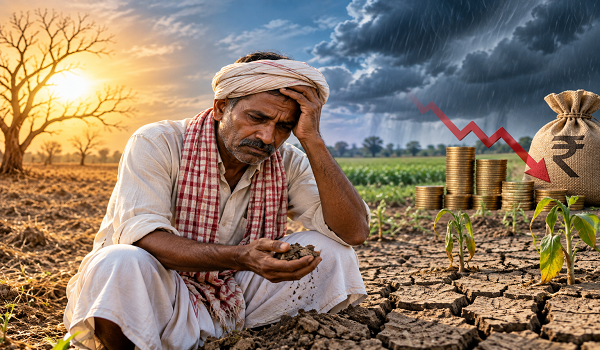
Farmers worldwide are facing mounting pressure from climate change, financial instability and declining soil health, prompting agriculture experts to call for a shift toward more “conscious food systems” that reconnect consumers with the people and ecosystems behind their food.
A group of farmers, scientists and development specialists meeting in Bhutan this week is advocating for food production systems that place greater emphasis on environmental protection, farmer livelihoods and consumer awareness rather than maximising output and profits.
Andrew Bovarnick, head of food systems at the United Nations Development Programme, said existing food production models are failing to address the challenges facing the sector.
“It’s causing huge environmental problems,” Bovarnick said, noting that despite the world producing more food, malnutrition and hunger remain widespread.
According to experts, intensive agriculture, chemical use and extreme weather associated with climate change have degraded up to 40% of land globally. At the same time, conventional farming practices contribute to environmental damage, while farmers are increasingly abandoning agriculture as declining incomes and climate-related crop losses make it difficult to sustain their livelihoods.
Farmers face rising economic and climate pressures
The challenges are particularly acute for smallholders and organic farmers, who often struggle to access markets and secure fair prices.
Ashish Gupta, a farmer from Himachal Pradesh who operates as part of a cooperative, said small producers face significant barriers in bringing organic food to consumers.
Gupta argued that consumers should consider the environmental and social costs behind food prices, including the impact of industrial agriculture on farmers, soil and water resources.
His community has also experienced crop losses caused by floods, while an ageing farming population and declining interest among younger generations threaten the future of agriculture.
Connecting consumers with food producers
For proponents of conscious food systems, strengthening the connection between consumers and farmers is central to creating a more sustainable food economy.
Gupta said consumers need to understand who produces their food and how it is grown. Greater awareness, he argued, could encourage shoppers to pay fairer prices while supporting environmentally responsible farming practices.
The approach is also being explored through initiatives such as a project in Egypt that has reportedly helped 50,000 farmers transition toward regenerative agriculture.
In Bhutan, participants at the gathering are exploring practices ranging from walking meditation to mindful eating, encouraging people to slow down and pay greater attention to the taste, smell, texture and appearance of food.
Bhutan offers a potential model
Bhutan, which has pledged to maintain forest cover across at least 60% of its territory and has maintained net-negative carbon emissions, is being viewed as a potential example of environmentally conscious development.
However, the country faces its own agricultural challenges, including an ageing farm workforce and migration away from rural areas.
Agriculture Minister Lyonpo Younten Phuntsho said Bhutan hopes to leverage its environmental credentials to develop high-value agricultural products that can command premium prices.
Experts stress that such a model depends on consumers being willing to value not only the product itself but also the environmental conditions and people involved in producing it.
Bovarnick said conscious food systems are not simply about spirituality or mindfulness, but about encouraging consumers to make more informed purchasing decisions.
The goal, he said, is to create stronger links between consumers and the origins of their food, encouraging demand for responsibly produced goods while ensuring farmers receive fair compensation.