

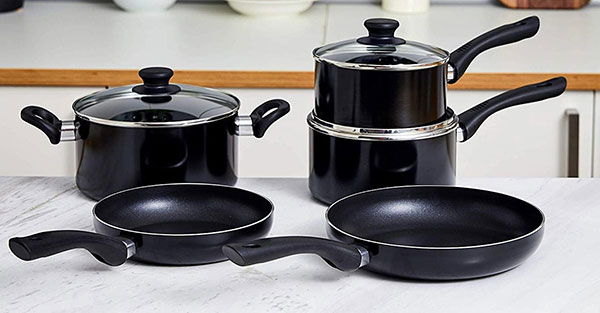
Non-stick cookware, once a symbol of modern, healthy cooking in Indian households, is increasingly facing scrutiny as health and environmental concerns reshape consumer preferences. Popular brands such as Prestige, Hawkins, and WonderChef are witnessing a shift in demand, prompting them to diversify into alternatives like ceramic, cast iron, and stainless steel.
For years, non-stick pans were favoured for their ability to reduce oil usage and simplify cooking. However, growing awareness around chemicals such as PFOA (Perfluorooctanoic acid), historically used in coatings like Teflon, has raised concerns about potential health risks, including links to cancer. While global regulatory actions—particularly by agencies like the Environmental Protection Agency—have pushed manufacturers to phase out such chemicals, public perception continues to be influenced by social media narratives and health influencers.
Retail trends reflect this change. At stores like Reliance JioMart outlets, cast iron and ceramic cookware now occupy prime shelf space, while non-stick products have been pushed to the background. Industry estimates suggest that although India’s non-stick cookware market is valued at around ₹1,500 crore, sales have stagnated or declined over the past two years.
Despite the backlash, experts and industry leaders argue that non-stick cookware is not inherently unsafe. Nutritionists and brand executives emphasise that high-quality non-stick products, when used correctly—avoiding overheating and replacing damaged pans—remain safe for everyday cooking. The real risks, they say, arise from poor-quality manufacturing and improper usage rather than the technology itself.
Manufacturers have responded strategically. Companies like WonderChef, co-founded with chef Sanjeev Kapoor, have expanded their portfolios to include a wide range of materials, ensuring they remain competitive amid changing consumer sentiment. Similarly, global players entering India are offering diverse cookware options to meet evolving needs.
At the same time, environmental concerns are adding to the debate. Experts note that worn-out non-stick coatings can persist in the environment for decades, whereas alternatives like ceramic may degrade faster. This has further encouraged consumers to explore other materials.
Even so, non-stick cookware continues to hold relevance in Indian kitchens. Many users return to it for convenience and lower oil consumption, especially when alternatives prove less practical. The current shift, therefore, reflects not a complete rejection but a more cautious, informed approach by consumers.
As the debate continues, the cookware industry faces a dual challenge—combating misinformation while improving transparency—highlighting that the future of non-stick cookware in India will depend as much on consumer education as on innovation.