

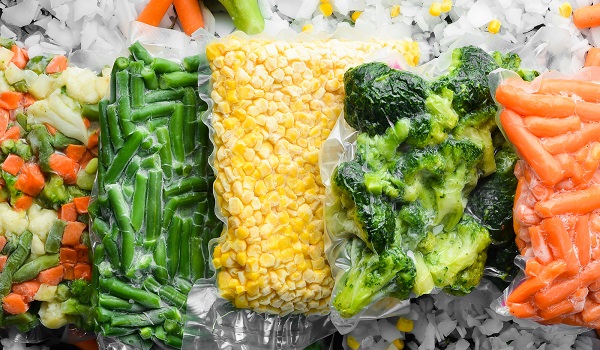
India’s agriculture sector is undergoing a quiet shift as frozen produce emerges as a key solution to persistent challenges of farm waste, price volatility, and storage gaps.
With urban consumers demanding year-round access to fruits and vegetables, frozen foods are gaining traction in retail markets, though they currently make up a small share. Industry experts say the category, once seen as export-oriented or a luxury, is now becoming central to India’s food security and farmer income stability.
India loses nearly one-third of its farm output annually due to inadequate logistics and cold storage facilities. “Perishability has been the single biggest hurdle in linking farmers directly with urban markets,” said Kanav Agarwal, co-founder of Frostar Foods. “Frozen processing gives us the ability to extend shelf life without losing the nutritional value of produce.”
The COVID-19 pandemic accelerated frozen food adoption in Indian households, with metro consumers increasingly buying frozen peas, corn, and mixed vegetables for convenience. “The perception that frozen means less fresh is changing. Today’s cold-chain technology allows us to lock in freshness at the farm gate itself,” noted Raghav Bansal, co-founder of Frostar Foods.
For farmers, the frozen value chain offers a way to manage seasonal gluts. By supplying processors, they gain predictable demand and assured prices. “In peak season, prices crash, and farmers are forced to sell below cost. Frozen processing helps balance the market by storing that surplus for later months,” Bansal explained.
India’s cold chain capacity has expanded in recent years, but it remains concentrated in large cities. To scale the frozen category, experts call for greater investment in rural storage units, refrigerated transport, and processing hubs near farms. Government schemes, including the Production Linked Incentive (PLI) for food processing, have provided momentum, but industry players say more policy support is needed.
Analysts estimate India’s frozen food industry could grow at double-digit rates annually if infrastructure expands and consumer awareness deepens beyond metro cities. For farmers, it promises reduced waste and better incomes; for consumers, affordable year-round access to fresh-like produce.
“The future of Indian farming will not only be about what we grow, but also how we preserve it,” Agarwal said. “Frozen is no longer just for exports—it’s becoming a practical solution for India’s own food security.”