

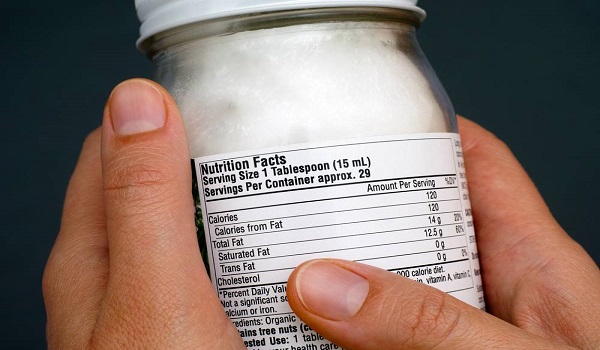
The Food Safety and Standards Authority of India has introduced new labelling rules for non-retail food containers, a move aimed at reducing compliance complexities for food manufacturers and streamlining bulk transportation across the supply chain.
Under the revised 2026 labelling amendment, bulk food containers used only for transportation and not meant for direct consumer sale must now prominently carry the declaration: “NON-RETAIL CONTAINER – NOT FOR DIRECT SALE.”
The updated norms bring significant flexibility for food businesses by allowing certain mandatory information — including ingredient details and net quantity — to be shared through accompanying documents or electronic systems instead of being printed directly on the container.
However, key identifiers such as the FSSAI license number and batch-related details will still be required on the physical package to ensure product traceability.
According to the notification, the relaxation applies in cases where a non-retail container used for food transportation is “not amenable to possessing a label.” In such situations, the required information under the Food Safety and Standards (Labelling and Display) Regulations can be transmitted through documents or electronic communication between food businesses, provided the information remains effectively traceable to the product.
The regulator said the changes are intended to ease operational burdens for large-scale food manufacturers, distributors and logistics operators while maintaining transparency and supply chain accountability.
The notification further emphasised that all mandatory declarations and statements appearing on labels must remain clear, prominent and easily legible. It also stated that labelling should be designed in a manner that makes any tampering evident.
Industry observers believe the move could help improve efficiency in bulk food handling and transportation, particularly for businesses operating large warehouse and distribution networks.