

India is emerging not only as one of the world’s fastest-growing consumer markets but also as a hub for ideas, talent and innovation that could influence the future of the global food and business landscape, according to Nestlé CEO Philipp Navratil.
India’s rapidly changing consumer preferences are reshaping how companies develop products, build brands and respond to market demands. Consumers are making increasingly informed choices about what they eat, where they shop and which brands they trust, creating new opportunities and challenges for the food industry.
The food processing sector is at the centre of this transformation, linking farmers, manufacturers and consumers while responding to growing demand for food that is safe, nutritious, high-quality and convenient. The sector can also help reduce food wastage, create value for agricultural produce and strengthen connections between farms and markets.
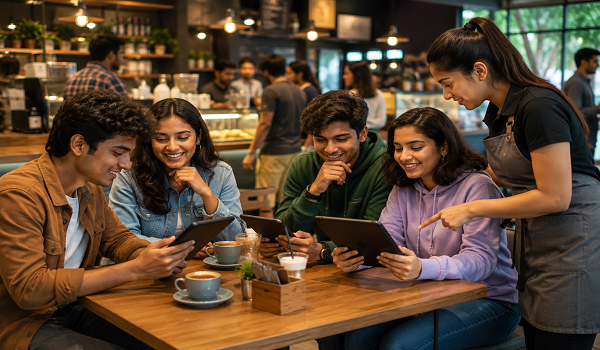
India’s large young population is playing a particularly important role in changing consumption patterns. With nearly 377 million Gen Z consumers, the country’s younger shoppers are discovering products differently, comparing brands more closely and expecting greater speed, transparency and authenticity.
For food companies, these changing expectations are making consumer trust increasingly important. Traditional brands such as Maggi and KitKat illustrate the role of familiarity and trust in a market where food is closely connected to culture, memories and identity.
At the same time, consumers are paying greater attention to nutrition, quality, safety and sustainability. Meeting these expectations, according to Navratil, will require companies to focus on innovation that delivers better outcomes for consumers, communities and the environment rather than simply introducing new products.
India’s expanding technology ecosystem is further accelerating this transformation. Investments in digital public infrastructure, artificial intelligence, research and entrepreneurship are enabling businesses to innovate faster and respond more closely to local consumer needs.
Technology can also reduce routine operational complexity, allowing businesses to focus more on understanding local markets, developing new solutions and building stronger relationships with consumers.
The convergence of digital connectivity, entrepreneurship, technology and changing consumer expectations is positioning India as an increasingly important market for global businesses. The country is simultaneously becoming a testing ground for new ideas and a source of innovations that can influence markets beyond its borders.
For companies operating in India, the emerging opportunity lies in combining global capabilities with local understanding while building more responsive, responsible and consumer-focused businesses.