

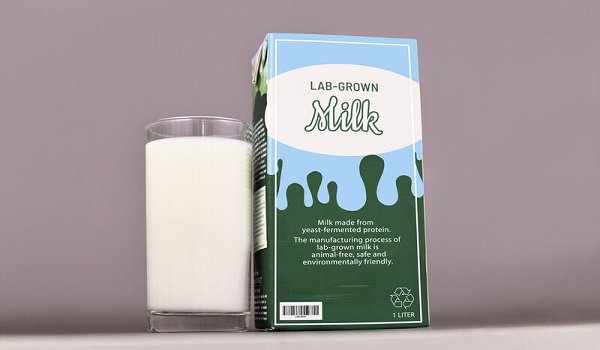
A quiet revolution is brewing in the global dairy industry — one that removes cows from the equation entirely. Lab-grown milk, also known as animal-free dairy, is emerging as the next big leap in food technology, promising real dairy without the environmental, ethical, or health costs of traditional farming.
Starting early next year, Israeli consumers will be among the first to purchase cow-free milk in supermarkets, thanks to Remilk, a food-tech startup that has partnered with Gad Dairies. Two products — a 3% fat variant and a vanilla-flavoured version — will launch under the brand name New Milk, with a Barista line for cafés to follow soon after. Both variants are lactose-free, cholesterol-free, and hormone-free, yet contain the same milk proteins found in cow’s milk.
Remilk’s approval by Israel’s Health Ministry paved the way for one of the first large-scale commercial rollouts of lab-grown milk globally. The company is now in talks to expand into the US market, joining a wave of startups reshaping the dairy landscape.
A “Post-Cow” Era for Dairy
Israel has become a global hub for lab-grown dairy innovation. Alongside Remilk, the Strauss Group has partnered with Imagindairy to produce animal-free cream cheese and beverages using similar precision fermentation technology. Other players, such as Wilk and Singapore’s TurtleTree Labs, are also advancing cow-free milk at a commercial scale.
What Makes It Real Dairy
Unlike almond or oat milk, lab-grown milk isn’t a plant substitute. It contains casein and whey — the two key proteins that give dairy its taste, texture, and nutritional profile. Scientists create these proteins by inserting milk-producing genes into microbes like yeast, which then secrete milk proteins when fed sugar. These are blended with fats and carbohydrates to produce milk that looks, tastes, and behaves just like conventional dairy.
The result: real milk without cows — milk that can be frothed for coffee, made into cheese, or churned into ice cream, but without methane emissions, antibiotics, or ethical concerns.
Nutrition and Advantages
Lab-grown milk is engineered to be nutritionally identical to cow’s milk, containing all nine essential amino acids, similar calcium levels, and comparable fat and calorie content. Since it’s produced in controlled environments, companies can remove lactose or adjust fat content easily.
In contrast, most plant-based alternatives are lower in protein and rely on fortification. Lab-grown milk combines real dairy nutrition with a lower environmental footprint, offering the best of both worlds.
Challenges Ahead
Despite its promise, cost and scalability remain key challenges. Producing milk proteins in bioreactors is expensive, and few large-scale facilities exist globally. Regulatory hurdles also persist — since these products contain real dairy proteins, they must carry allergen warnings similar to cow’s milk.
Consumer perception is another barrier. Experts believe that building public trust will take time as consumers adjust to the idea of milk grown in labs rather than milked from cows.
India’s First Steps
India — the world’s largest milk producer — is cautiously entering the lab-grown dairy space. Startups like Zero Cow Factory (Surat) and Phyx44 (Bengaluru) are developing animal-free milk proteins using precision fermentation.
However, industry insiders say regulatory clarity from FSSAI and consumer acceptance will be crucial for mainstream adoption. Cultural sentiment around milk — deeply tied to tradition, festivals, and daily life — may slow the transition.
Still, as the world moves toward sustainable food systems, lab-grown milk could soon redefine what “dairy” means — bringing the taste of milk without the moo.