

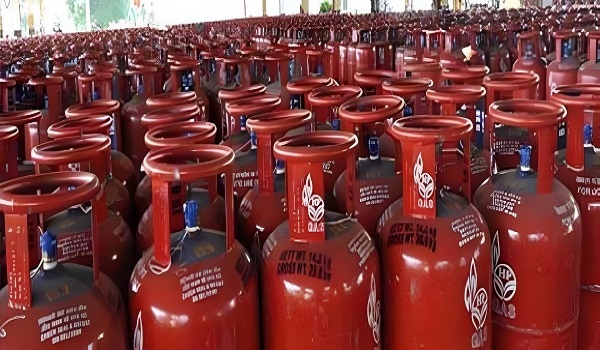
India’s sugar industry is facing a slowdown as a nationwide LPG shortage disrupts demand from the hospitality sector. Hotels, restaurants, and large kitchens—key bulk consumers—have cut back operations, leading to a sharp decline in sugar consumption.
Key developments:
Sugar mills have used only 50–60% of their March sales quota.
LPG shortages, partly linked to conflict in West Asia, have forced the government to prioritize household use and urea production over commercial needs.
Of the 2.25 million tonnes allocated for March, a large portion remains unsold—unlike last year when the full quota was utilized.
The slowdown is also tied to seasonal factors, with demand cooling after the Diwali and wedding-season peak. However, the current dip is deeper due to broader geopolitical tensions, which have reduced consumption across food categories like edible oils, flour, and poultry.
Exports are also under pressure despite improving global sugar prices. The Iran conflict and instability in West Asia have increased shipping and insurance costs, disrupted supply chains, and weakened demand from key export markets in the Middle East and Central Asia.
India’s regulated sugar system—where monthly sales quotas prevent oversupply and protect prices—is now being tested. While it typically ensures stable revenues for mills and timely payments to farmers, the current demand slump driven by fuel shortages is straining the system.
The industry is now closely watching for improvements in energy supply, which could help revive demand in the coming months.