

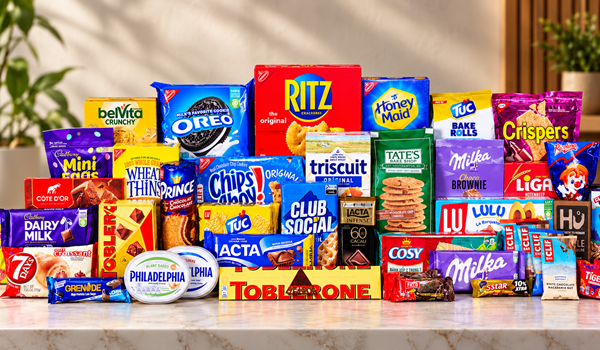
Mondelēz International is finding fresh growth opportunities in its decades-old cookie brands as consumer interest in nostalgia boosts demand for products that have long remained in the shadow of its flagship Oreo and Chips Ahoy! brands.
The company’s specialty cookie portfolio, which includes Nutter Butter, Nilla Wafers, Teddy Grahams, Barnum’s Animals Crackers, Mallomars and Honey Maid Graham Crackers, is experiencing a strong revival after two years of declining sales.
The portfolio, known internally as the Americana brands segment, generates more than $1 billion in annual sales. Sales in Mondelēz’s specialty cookie segment increased 4% in the year through September 12 compared with the corresponding period in 2025, according to the company.
The performance stands out in a broader cookie market where sales have remained largely flat. Meanwhile, growth in the core offerings of Oreo and Chips Ahoy! has slowed, increasing the importance of alternative growth drivers within Mondelēz’s extensive snack portfolio.
“Our Americana brands have been performing really well this year, and historically they’ve always been stable or growing very slowly,” said Caroline Suppiger, brand manager of Mondelēz’s specialty cookie portfolio.
She said the company was returning to its established brands and giving products that had received limited marketing attention a more prominent role.
Nostalgia creates fresh demand
Consumer interest in familiar products is helping the specialty brands attract renewed attention. According to Suppiger, customers are increasingly using products such as Graham Crackers and Nilla Wafers for baking, desserts and dips, expanding their use beyond traditional occasions.
The trend is also benefiting from celebrations linked to the 250th anniversary of the United States, which are creating opportunities to promote established American brands.
“There’s just been a lot of consumers enjoying what they know,” Suppiger said.
Unlike Oreo and Chips Ahoy!, which have benefited from frequent product launches and new flavours, many of Mondelēz’s smaller cookie brands have seen little significant innovation in recent years.
Nilla has around five stock-keeping units (SKUs) in its portfolio, while Honey Maid has nine and Nutter Butter has 10. Oreo, by comparison, has approximately 120 SKUs in the US market and launches about a dozen specialty flavours annually.
The difference highlights how Mondelēz has historically concentrated product innovation and marketing investment on its biggest brands.
Marketing beyond traditional occasions
Mondelēz is now seeking to expand consumption occasions for its heritage products through more active consumer marketing.
Honey Maid, traditionally associated with s’mores and similar treats, is being positioned for additional occasions, including Easter and other holidays. Nilla Wafers, widely used in banana pudding, is also being promoted for a broader range of desserts.
The company’s chefs have experimented with using Nilla wafers in tiramisu, illustrating how familiar products can be incorporated into new recipes and occasions.
Until recently, marketing for these brands largely focused on routine maintenance, such as ingredient or packaging changes, rather than major consumer-facing campaigns.
“This is the first time we’ve left this maintenance phase to let’s actually think a little bit larger with some consumer-facing marketing,” Suppiger said.
The strategy reflects a broader effort to unlock growth from established products without depending entirely on new launches. By encouraging consumers to use familiar cookies in different ways, Mondelēz hopes to increase purchase frequency and strengthen brand relevance.
The company’s latest performance suggests that heritage brands can offer meaningful growth opportunities when supported by renewed marketing and changing consumption habits. As growth in its flagship cookies moderates, the challenge will be to sustain the revival and turn nostalgia-driven interest into long-term demand.