

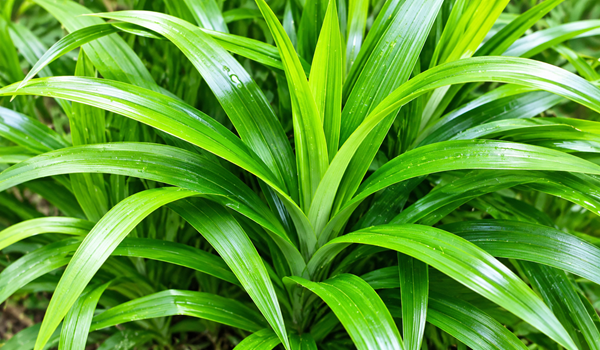
Pandan – A grassy green leaf that Southeast Asian kitchens have used for centuries is now drawing attention from food and drink developers in the West.
Euromonitor International data shows new product claims promoting pandan rose 53% between the first quarter of 2025 and the second quarter of 2026. Despite that growth, the flavour is still at an early stage, which means brands still have time to get in early.
Euromonitor senior consultant Miri Eliyahu, PhD, presented the findings at SupplySide Global in Las Vegas on October 30. She described pandan as grassy, with vanilla and almond undertones. Because Western consumers already know those two flavours well, pandan may seem less unfamiliar than its origins suggest.
Pandan is an herb, so it works well in hot beverages. In that category, Euromonitor counted 13 pandan product claims in the second quarter of 2026, up from five in the first quarter of 2025.
Cafés are already experimenting. One coffee industry publication noted that pandan produces a vivid, naturally derived green colour striking enough to rival matcha in visual appeal. It also warned that fresh pandan leaves are difficult to find outside Asian grocery stores in most Western cities, so most cafés turn to powder.
Restaurants are moving too. In Chicago, chefs are using pandan to enhance cakes, cookies, ice cream, lattes and cocktails, and some marketers already call it the next ube.
Consumer interest is growing in several markets. According to Mintel principal strategist Jonny Forsyth, 52% of Gen Zs and Millennials surveyed in May 2025 expressed interest in pandan. In France, discussions about pandan rose nine-fold year-on-year between April and July 2026.
Forsyth is more cautious than some about pandan’s potential. He argues that, as an everyday ingredient in Asia, it lacks matcha’s exclusive origin story.
Eliyahu said new flavours often push out older ones. In her examples, pistachio is replacing rose, saffron is replacing mango or pineapple, and cardamom is replacing sesame.
Each comes with its own guidance. Pistachio works well in dairy and dairy alternatives but loses its flavour in hot drinks. Product claims for pistachio in dairy alternatives rose from 30 to 56 over the same period. Saffron is expensive, so it belongs in premium products.
Clara Paya, founder of California bar maker Unite Food, said flavour data is only the starting point. Her company sells bars in flavours such as churro, baklava and Mexican hot chocolate. Her advice is to visit ethnic markets and spend time with the communities a flavour comes from. “You can’t innovate from a spreadsheet,” she said. She added that flavours should be approachable and not so niche that consumers fail to recognise them.
Looking three to five years ahead, Eliyahu expects sweet-and-spicy profiles to keep growing. She sees snacks, cooking ingredients and dairy as the main categories for launching new flavours. Paya expects confectionery to become a major category and sees Hispanic flavours as a large and underused opportunity.
The path from niche to mainstream has been taken before. Ube, a fellow Asian ingredient, has seen 231% growth on restaurant menus over the past four years, according to Datassential. Whether pandan follows the same path will depend on how quickly brands act now.