

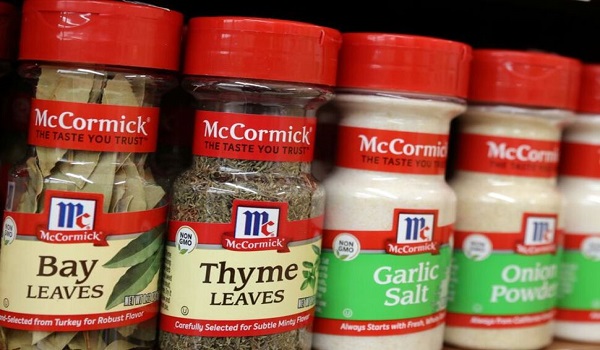
Unilever is exploring the sale of its global food business and has held discussions with McCormick & Company, in a potential deal that could combine brands such as Hellmann’s and Knorr with McCormick’s popular Cholula. The move is part of Unilever’s ongoing strategy to reshape its portfolio and focus more strongly on faster-growing personal care and beauty segments.
The discussions signal an acceleration of Unilever’s long-running efforts to streamline its business structure. Several previous CEOs have attempted to rebalance the company’s portfolio by expanding in beauty, wellness and personal care while reducing exposure to slower-growing packaged food categories.
The food division has recently come under renewed scrutiny after reports suggested Unilever was considering a spin-off and had previously explored merger talks with Kraft Heinz, although those discussions did not lead to a deal. Investor concerns over the possible separation weighed on Unilever’s shares, with analysts questioning whether the move could distract management soon after the company initiated the split of its ice-cream business.
Unilever’s packaged food business accounts for more than one-quarter of group revenue and includes well-known products such as Knorr bouillon, Hellmann’s condiments, and Marmite spreads. The division reported an operating profit of about €2.9 billion last year, and analysts at Barclays estimate the unit could be valued at roughly €30 billion.
Despite strong profitability, the segment faces structural challenges. Changing consumer preferences, the shift away from ultra-processed foods, and rising competition from private-label brands have slowed growth. The increasing popularity of weight-loss drugs and health-focused diets has also affected demand for packaged foods in several developed markets.
The division’s operating margin stood at 22.6%, higher than the group average, but sales growth was only about 2.5% last year—below Unilever’s medium-term target of 4–6% annual growth and slower than its personal care and beauty businesses.
Unilever’s food business continues to perform better in emerging markets such as India and parts of Latin America, where branded packaged foods still have significant growth potential and private-label competition is weaker. However, mature markets in Europe and North America remain largely saturated, limiting overall expansion.
Analysts note that emerging markets now account for more than half of Unilever’s food sales, but the growth there has not been sufficient to offset slower demand in developed economies.
The potential sale aligns with Unilever’s broader strategy to focus on higher-growth and higher-margin categories, particularly beauty, personal care, and health products. The company has been under pressure from investors to simplify its structure and improve returns after several years of modest growth.
If a deal with McCormick progresses, it could create one of the world’s largest flavorings, sauces, and condiments businesses, while allowing Unilever to sharpen its focus on core segments expected to drive future growth.