

Escalating tensions in West Asia are beginning to ripple through India’s trade corridors, raising concerns over a potential spike in dal prices, disruptions in rice exports to Iran, and heightened volatility in bullion and gem markets.
Industry representatives warn that a prolonged conflict could push up logistics and insurance costs, directly impacting household budgets already sensitive to food inflation.
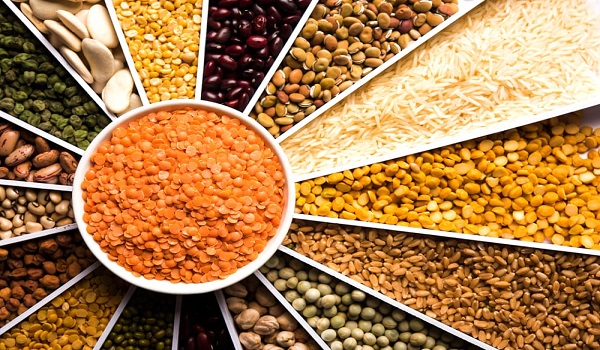
Indian consumers may soon face higher prices for staples such as tur, urad and lentils if the conflict continues. According to All India Dal Mill Association, any sustained disruption in shipping routes could quickly translate into retail price hikes.
India imports 5–6 million tonnes of pulses annually from countries such as Myanmar, Canada and several African nations. A spike in freight and bunker fuel costs would raise the landing price of these imports, increasing pressure on domestic retail prices.
Industry officials cautioned that if hostilities persist beyond a week, the impact on food inflation could become more visible.
While pulses may become costlier, rice prices could soften domestically if exports to Iran and Gulf nations are disrupted.
The Indian Rice Exporters Federation (IREF) has advised members to avoid entering into new cost, insurance and freight (CIF) contracts for Iran and other Gulf destinations. Instead, exporters have been urged to shift to free on board (FOB) agreements, transferring freight and insurance risks to buyers.
According to IREF representatives, developments in Iran and the UAE could immediately affect bunker fuel prices and vessel availability. A sharp rise in oil prices may disrupt container and bulk cargo movements, potentially exposing exporters to losses on fixed-price contracts. Insurance premiums for shipments to the region are also expected to rise if tensions escalate further.
Industry players now fear that prolonged geopolitical instability could dent the gains achieved under the agreement, particularly if logistics and insurance challenges intensify.
For now, industry leaders are adopting a wait-and-watch approach. However, if tensions persist, Indian consumers and exporters alike may feel the impact through higher food prices, trade disruptions, and increased financial market volatility.