

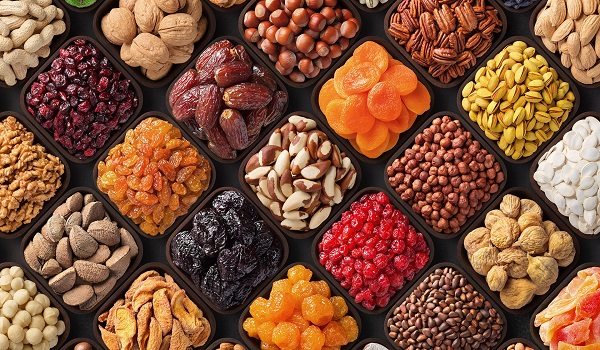
India’s dry fruit market is under pressure just ahead of the crucial festive season, with prices of key nuts such as almonds and walnuts soaring and sales falling by as much as 25%. A mix of global supply disruptions, import uncertainties, and concerns over a possible hike in Goods and Services Tax (GST) is rattling the industry.
Importers are holding back new shipments amid fears of tariff revisions tied to the pending India-US trade agreement. They are also bracing for a potential GST hike from the current 12% to 18%, should the government eliminate the 12% tax slab in an upcoming review.
“Global supply chains are already strained due to the crisis in West Asia, and now tariff questions are compounding the issue,” said Nitin Sehgal, CEO of the Nuts and Dry Fruits Council (India). “There’s apprehension that dry fruits could be moved into the 18% GST slab, which will increase prices further.”
The market is also facing setbacks due to a halt in dry fruit imports from Afghanistan following the closure of the Wagah Border after Operation Sindoor.
With demand typically peaking during festivals such as Raksha Bandhan, Janmashtami, Teej, and Ganesh Chaturthi—beginning as early as July this year—traders say the timing couldn’t be worse.
Walnut prices have surged from ₹400 to ₹700 per kg, while almonds have climbed from ₹600 to ₹700. Pistachios are reportedly becoming scarce in the market.
The Indian nuts and dry fruit industry, valued at over ₹60,000 crore, depends heavily on the festive quarter for more than 60% of its annual sales. Any disruption during this period significantly affects the bottom line of traders and retailers.
Industry stakeholders are urging the government to offer clarity on tax structures and trade agreements to avoid panic-driven delays and speculative pricing.