

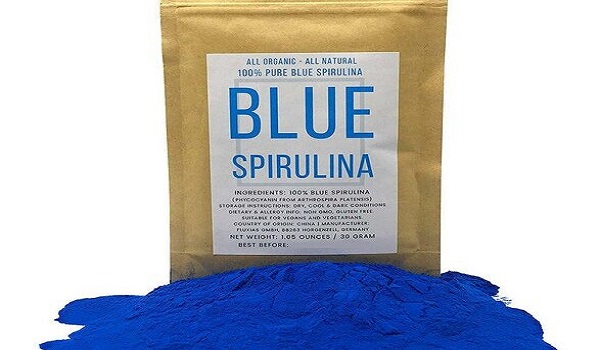
A bright blue colour in your favourite smoothie or candy might soon come from algae instead of synthetic chemicals. Scientists are turning to phycocyanin, a naturally vibrant pigment found in spirulina — a nutrient-rich blue-green algae — as a cleaner and safer option than artificial dyes like Blue No. 1 and Blue No. 2. With several U.S. states moving to phase out such synthetic colourants over health concerns, demand for plant- and algae-based food colours is growing rapidly.
Spirulina is already valued for its nutritional benefits, and its phycocyanin pigment has been used in select products, even lending its shade to certain M&Ms. However, its wider use in mass-market packaged foods has been limited because the pigment is unstable, breaking down under heat during manufacturing and fading when exposed to light during storage.
Now, a research team at Cornell University, led by Professor Alireza Abbaspourrad and Ph.D. researcher Qike Li, has developed a method to make phycocyanin more stable and practical for large-scale use. Their process involves breaking the large, unstable protein molecules into smaller, uniform components, resulting in a pigment that retains its colour longer and blends more efficiently into oil-based foods.
To study the changes, the researchers used Small Angle X-ray Scattering (SAXS) to analyse the pigment’s nanoscale structure. The findings showed that the modified phycocyanin is not just a colouring agent — it also functions as an emulsifier, helping oil and water mix, and as an antioxidant, protecting foods from spoilage. This means it could replace several synthetic additives at once, appealing to food manufacturers who are increasingly aiming for cleaner, simpler ingredient labels.
Although phycocyanin currently costs more than synthetic dyes, its natural source, added nutritional value, and multifunctional benefits make it an attractive option for health-conscious consumers and companies seeking sustainable alternatives. The Cornell team is now working with food industry partners to scale up production and move the innovation closer to commercial use. If successful, this algae-derived pigment could reshape the food colour industry, bringing bright blues to our plates without the drawbacks of artificial chemicals.