

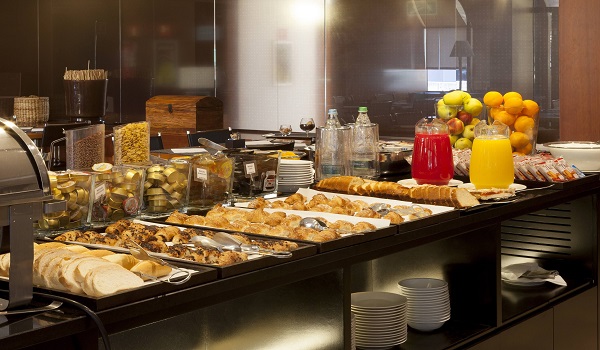
Luxury in hospitality is being redefined — not by the size of a hotel’s wine cellar or the range of single malts at an airline lounge, but by the quiet presence of wellness-forward choices. From tulsi-coconut kefir to turmeric lattes, the new measure of indulgence is how sharp a guest feels at 10 am, not how many cocktails they can down the night before.
At The Alpina Hotel in Gstaad, breakfast isn’t a showcase of champagne flutes but a spread featuring avocado toast, matcha, protein shakes in branded shakers, and protein bars neatly aligned beside granola. There is no signage screaming “clean eating” — just thoughtful offerings that assume the guest values energy, clarity, and health as much as comfort.
This signals a broader shift: the younger, premium traveler is unimpressed by alcohol-heavy expressions of luxury. The more a property leans on liquor as its defining indulgence, the more outdated it appears. The new luxury traveler still drinks, but differently — with intention, moderation, and a preference for performance over excess.
Yet, many lounges, flights, and hotel buffets still feel stuck in 2010. The minibar remains stocked with vodka and cola, but rarely hydration boosters or plant-based protein drinks. Pastries and sugary juices dominate breakfast buffets, while functional beverages or Ayurvedic tonics are absent.
Some global brands are adjusting. Emirates has added turmeric lattes on select routes. Virgin Atlantic’s Clubhouse lounges now serve kombucha and wellness shots. At Alpina, wellness choices are seamlessly integrated into the brand’s identity rather than treated as fringe alternatives. A protein shake is not a compromise — it is the dish.
India’s hospitality sector has an opportunity to lead this change. The country has centuries-old traditions of functional ingredients like amla, ashwagandha, and turmeric, alongside emerging homegrown wellness brands such as Auric, Kapiva, Blue Tribe, and Yoga Bar. A thoughtfully curated minibar with a cold-pressed seasonal juice, a plant protein sachet, or a hydration booster could easily set Indian hotels apart.
Beyond guest satisfaction, this realignment makes commercial sense. Stocking wellness beverages often costs less than top-shelf liquor, yet leaves a stronger impression. Guests are more likely to remember a Tulsi-coconut kefir than their sixth mimosa — and they post about it, talk about it, and return for it.
The takeaway for hospitality brands is clear: alcohol can remain part of the offering, but it can no longer be the centerpiece. Today’s traveler seeks restoration, not numbness. The properties that adapt will not only win loyalty but also redefine what luxury means in 2025 — not how much you pour, but how well you understand the person you’re pouring for.
Luxury, it seems, has raised a new toast — to health, intention, and balance.