

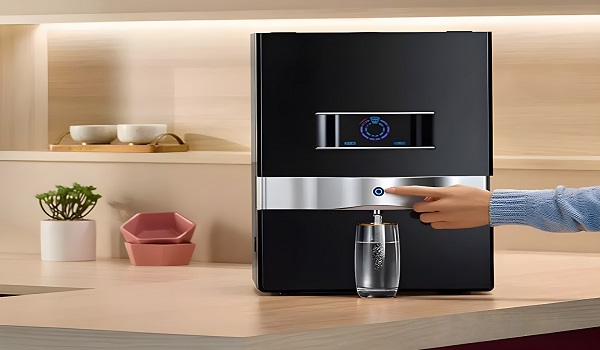
The Water Quality India Association (WQIA) has urged the finance ministry to reduce GST on water purifiers, filters, and related services from 18% to 5%, citing affordability barriers and serious public health risks.
In its representation dated August 23, 2025, WQIA — an industry body of manufacturers and dealers of drinking water systems — argued that safe drinking water should be treated as an essential commodity, not a luxury. The association said taxing purifiers at 18% places them in the same category as air-conditioners and cars, despite their vital role in disease prevention.
The plea draws on findings from the Central Ground Water Board’s 2024 report, which highlighted widespread contamination by fluoride, arsenic, nitrates, and heavy metals, raising risks of waterborne illnesses. According to WHO and UNICEF, such diseases account for nearly 80% of sicknesses in developing countries.
Yet, penetration of electric water purifiers in Indian households remains just 6%, compared with around 20% in other emerging markets. WQIA said the high GST rate makes purifiers unaffordable for many middle- and lower-income families, limiting adoption. It also noted that 20-litre bottled water jars — a less sustainable option — are taxed at 12% and may soon move to 5% under GST rationalisation, creating a policy anomaly.
The association added that water purifiers also offer environmental benefits, with a single unit replacing around 12,000 plastic bottles annually and reducing dependence on LPG for boiling water. With an estimated market size of ₹4,400 crore, it argued, a GST cut would have only a marginal impact on government revenues.
The Confederation of Indian Industry (CII) has also echoed the demand, saying a lower GST rate would align with government priorities under Har Ghar Jal, Ayushman Bharat, and Swachh Bharat, while boosting preventive healthcare.
Tax experts have further warned of distortions if related goods are not aligned in the ongoing plan to merge the 12% and 28% GST slabs. “If bottled water jars move to 5% while water purifiers remain at 18%, it creates an anomaly that goes against the spirit of rationalisation,” said a senior consultant at a global advisory firm.