

The growing use of weight-loss medications in the United States is reshaping consumer eating habits and forcing food manufacturers and restaurants to rethink menus, portion sizes, and product strategies.
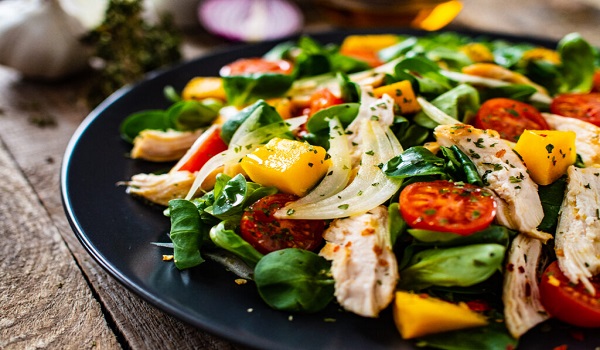
For many households, traditional indulgent foods associated with major events such as the Super Bowl are being replaced with lighter, protein-focused meals. Florida retiree Marla Senzon, who began taking a GLP-1 appetite-suppressing drug two years ago, said her family has shifted from pizza and take-out spreads to salads with lean protein—changes she expects to maintain long term.
Industry executives are increasingly convinced that the GLP-1 trend will have lasting effects, rather than fading like earlier diet fads. Ryan Zink, CEO of Colorado-based Good Times Restaurants, told investors the company has introduced a protein bowl that is set to become a permanent menu item in April, reflecting evolving consumer preferences.
Analysts estimate roughly 12% of Americans are now using GLP-1 drugs. For companies known for calorie-dense foods, this shift is prompting the launch of smaller portions, new pack sizes, and products with higher protein and fiber content. PepsiCo CEO Ramon Laguarta recently said the company plans to respond with urgency by expanding such offerings.
Restaurants are also navigating a broader environment of reduced consumption and persistent cost pressures. According to the National Restaurant Association, 34% of sit-down restaurant operators adjusted portion sizes in 2025 due to rising business costs, with changing appetites among individuals using weight-loss drugs being seen as an additional influence.
At the same time, snacking behavior is evolving. Industry polling shows 64% of adults are more likely to replace full meals with snacks during the day than in previous years. Packaging major Amcor expects the snacking trend to continue, but with a shift toward healthier categories rather than traditional indulgent options.
Together, these developments suggest weight-loss medications could have a sustained impact on America’s food landscape, accelerating demand for health-focused products and reshaping how food companies design, portion, and market their offerings.