

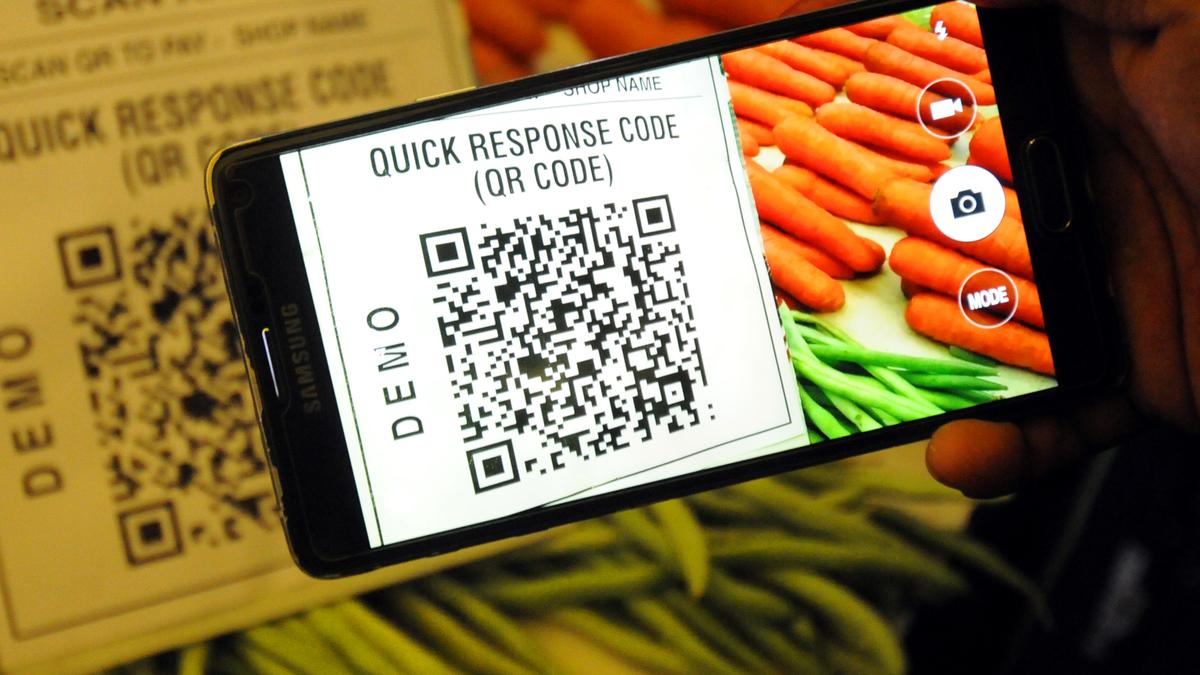
India’s food industry is rapidly moving from static labels to real-time transparency, as digital traceability tools—especially QR codes—reshape how consumers, farmers and businesses verify the journey of food from farm to shelf.
A recent report by The Economic Times highlights how growing consumer demand for authenticity and tighter regulatory scrutiny are pushing traceability to the centre of the domestic food ecosystem. While India has long been a major exporter of agricultural products, its fragmented sourcing systems and informal record-keeping have historically made it difficult to verify the origin of produce once it leaves the farm gate. In local markets, this often reduced provenance to a claim rather than a documented fact.
That dynamic is now changing. Digital traceability platforms capture data across cultivation, harvesting, processing, and distribution, allowing QR codes on packaging to link directly to real-time supply chain information. Transparency, once treated as a marketing promise, is increasingly becoming an operational requirement.
For farmers—particularly smallholders—digital records help preserve the identity of produce as it moves through complex distribution networks, reducing dependence on intermediaries to validate origin. Clearer documentation also lowers the risk of substitution, improves consistency and reduces disputes across the value chain. For food companies operating on thin margins, traceability data offers additional benefits by identifying delays, quality issues and loss points, enabling faster operational decisions.
Industry voices say the shift reflects a deeper transformation in how trust is built in food systems. According to Vaibhav Sinha, founder and CEO of Earthen Connect, earlier models relied heavily on reputation and packaging claims. With QR-enabled verification, consumers can now access concrete information about origin, handling and movement—turning trust from assumption into evidence and making supply chains more accountable.
Food brands are responding by treating transparency as infrastructure rather than a value-added feature. This aligns with changing consumer behaviour, where access to information is increasingly expected. Regulators, too, are beginning to depend more on digital documentation and continuous data trails rather than post-fact inspections, signalling a structural shift in oversight.
Challenges remain. Traceability systems are only as reliable as the data entered, and adoption across India’s fragmented agricultural networks will take time. Yet as food travels longer distances through more intermediaries, the economic and reputational cost of opacity is rising.
Farm-to-fork visibility, once a niche export requirement, is becoming central to India’s domestic food future. In an industry where consumers rarely witness production or movement, the ability to demonstrate authenticity—rather than merely claim it—may define the next phase of growth and trust in the country’s food economy.