

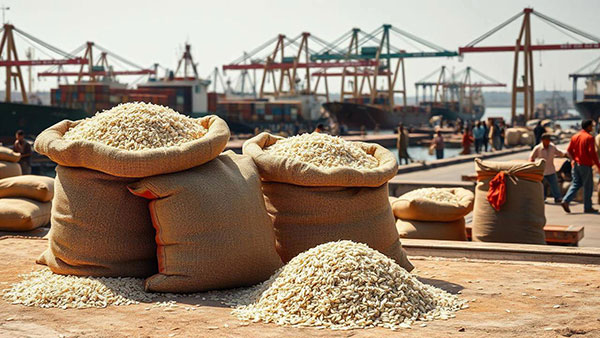
Rice prices across Asia have surged sharply, with rising fuel and fertilizer costs linked to the Iran conflict disrupting production and raising concerns over future supply.
Benchmark Thai white rice (5% broken) climbed 10% to $423 per tonne in the week ended April 8, marking its steepest weekly increase since August 2023. The spike reflects mounting pressure on farmers as input costs escalate, even though prices had been on a prolonged downward trend and were recently near decade lows.
In Thailand—the world’s third-largest rice exporter—some farmers have begun delaying or suspending cultivation as rising expenses erode profitability. According to Oscar Tjakra, senior commodities analyst at Rabobank, many growers are struggling to offset the sharp increase in fuel and fertilizer prices.
The situation has been further exacerbated by an extended dry season, which has reduced yields and tightened supplies of the current crop. A stronger Thai baht, along with higher freight and insurance costs due to tensions in the Middle East, has also contributed to the upward pressure on prices.
While signals from Donald Trump suggest a possible de-escalation of the Iran conflict, analysts caution that disruptions to energy flows—particularly through the Strait of Hormuz—could persist. This would keep input costs elevated in the near term, potentially impacting planting decisions for the upcoming main crop season starting in May.
The developments underscore growing volatility in global food markets, where geopolitical tensions are increasingly influencing agricultural production and pricing dynamics.