

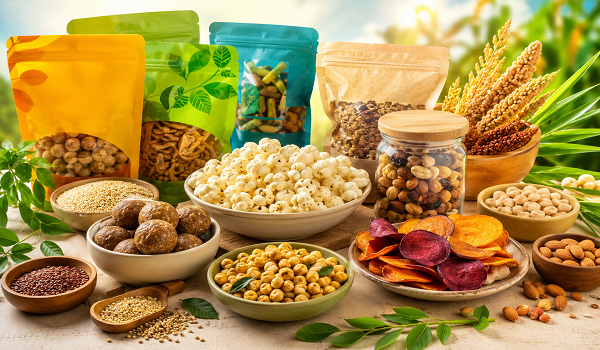
India’s food and FMCG sector is heading toward a major consumption shift, with healthy snacking and branded packaged foods emerging as key growth engines, according to consumer-focused private equity firm L Catterton.
Calling the current phase a “great Indian snacking renaissance,” L Catterton Executive Chairman Sanjiv Mehta said changing lifestyles, rising health awareness and evolving eating habits are reshaping the country’s food ecosystem and opening new investment opportunities.
The firm, which manages nearly USD 40 billion in consumer-focused assets globally, has launched its first India-focused fund and has already made three investments over the last year, including food and agri-commerce platform Farmlink, ethnic snacks giant Haldiram and healthcare player Healing Apps.
Mehta said L Catterton’s investment strategy focuses on identifying powerful consumer trends converging simultaneously. Key among them is the movement from unprocessed to processed food and the transition from unbranded products toward trusted branded offerings.
Within the food segment, healthy snacking has emerged as a particularly attractive category as consumer priorities increasingly move toward wellness and nutritional value.
“India is standing at the threshold of a new era,” Mehta said while speaking at the Indian Healthy Snacking Summit, adding that the traditional model of inexpensive, deep-fried and high-sodium snacks is gradually losing momentum.
He noted that changing family structures and fast-paced urban lifestyles are disrupting conventional eating patterns. Nuclear families and dual-income households are increasingly moving away from the rigid structure of three meals a day, creating demand for convenient and portable food formats.
According to Mehta, snacks are increasingly evolving from occasional indulgences into functional eating solutions, with ready-to-eat products and “micro-meals” becoming more relevant in consumers’ daily routines.
The packaged food segment, currently accounting for around 15 per cent of India’s total food consumption compared to 60–70 per cent in developed economies, is expected to witness substantial expansion over the next decade.
Beyond consumption growth, Mehta highlighted the need for greater investments in food science and product innovation. He emphasized that India should leverage indigenous ingredients such as makhana, ragi and jowar to build globally recognized brands rather than remain focused on exporting agricultural commodities.
Despite short-term pressures facing the FMCG sector, Mehta maintained a positive outlook for the industry, stating that India’s demographic strengths and long-term consumption fundamentals continue to provide significant headroom for growth.