

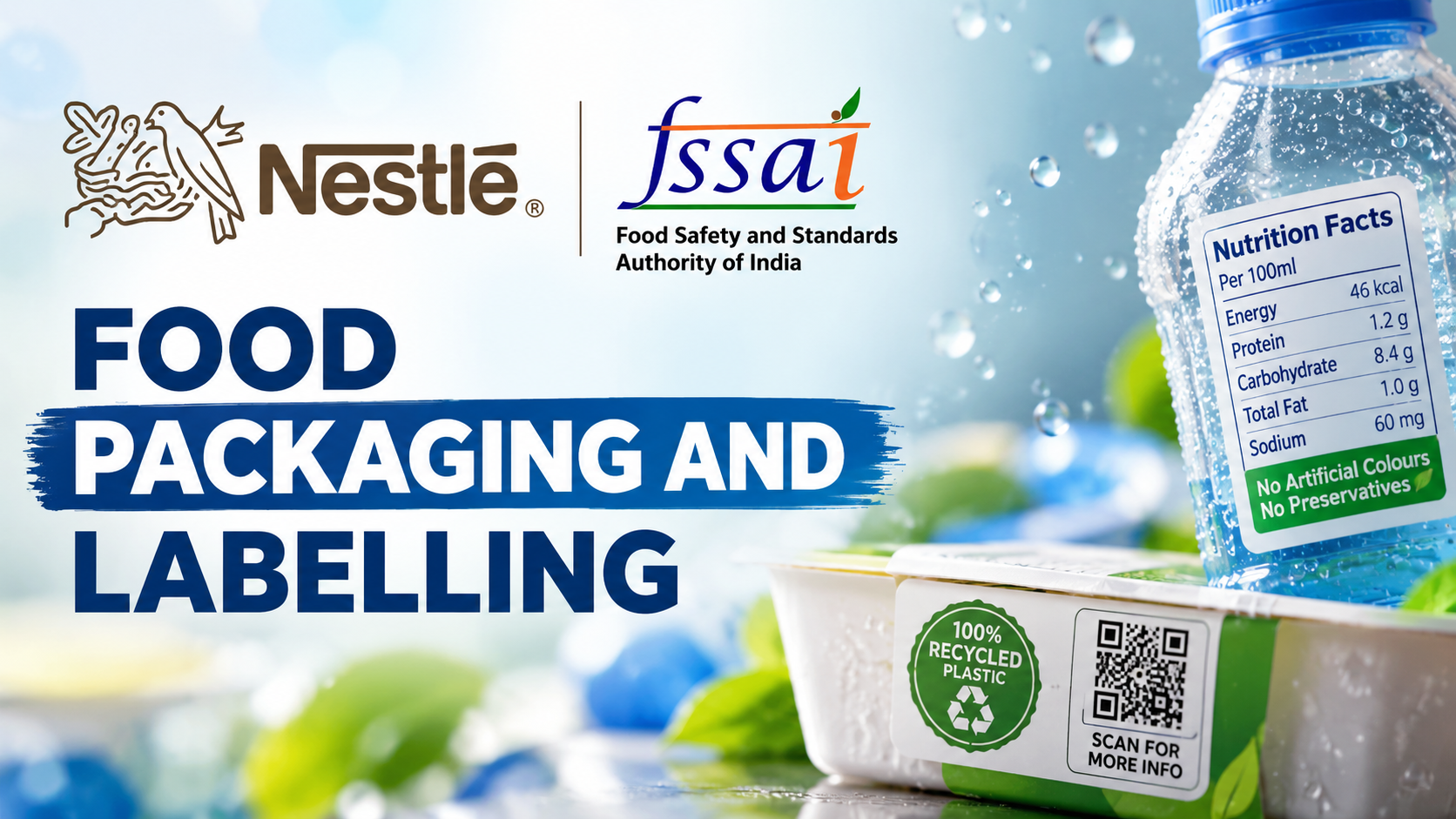
Nestlé has backed stronger scrutiny of food labelling and marketing claims in India, with global CEO Philipp Navratil saying greater transparency can help consumers better understand what they are eating and make more informed food choices.
Speaking at a media roundtable in India, Navratil supported recent action by the Food Safety and Standards Authority of India (FSSAI) against potentially misleading food claims and labelling practices.
Navratil said Nestlé has consistently supported transparency and already provides ingredient and calorie information on its products sold in India, including some information that may go beyond mandatory disclosure requirements.
“We have always been pro-transparency,” he said, adding that the company welcomes growing consumer interest in ingredients and the nutritional composition of packaged foods.
Navratil also expressed support for front-of-pack nutrition labelling, which could make important nutritional information easier for shoppers to understand when choosing products.
The comments come as packaged food companies face growing pressure to improve the nutritional profile of their products. Nestlé has been working to reduce sugar, fat and sodium across parts of its portfolio as consumers become more conscious of nutrition and health.
Navratil said an effective front-of-pack system could help consumers make healthier choices for themselves and their families. However, he stressed that such regulations should be scientifically developed and appropriately balanced.
He also suggested that nutritional information should, where appropriate, consider actual serving sizes. A portion-based approach, he argued, can sometimes provide consumers with a more practical understanding of what they are consuming than information expressed solely by weight.
Nestlé’s position comes as FSSAI increases scrutiny of food and beverage companies over advertising, health claims and product labels.
The regulator has reportedly issued more than 150 notices to major food and beverage companies concerning claims and disclosures, including the use of descriptions such as “100 per cent”, “natural” and “healthy” where adequate substantiation may be required.
The regulatory action has prompted some companies to revise product labels, withdraw certain claims or modify advertising.
Navratil said Nestlé would be willing to share its international regulatory experience with Indian authorities if requested. Lessons from measures adopted in other markets, including approaches such as sugar taxation, could provide useful inputs as policymakers consider future food regulations, he said.
The discussion also highlighted India’s growing importance within Nestlé’s global operations. According to Navratil, India was the company’s best-performing market during the first half of 2026.
He said the country has the potential to become one of Nestlé’s five largest markets globally, although the company would not compromise product quality or execution standards in pursuit of that growth.
Nestlé’s support for greater transparency comes at a time when nutritional information and food marketing claims are receiving closer attention from regulators and consumers alike.
For India’s packaged food industry, the development points towards a market in which brands may increasingly need to support claims with evidence and communicate nutritional information more clearly, making transparency an important part of consumer trust alongside taste, quality and price.