

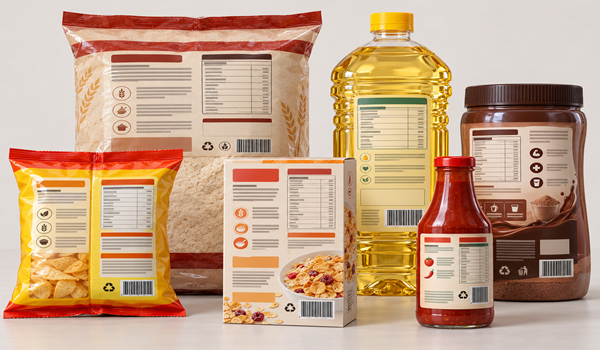
When Indian shoppers pick up a packet of atta, a bottle of cooking oil or a health drink, words like “100% atta”, “cholesterol free” and “clinically proven” often shape the decision. Now, the Food Safety and Standards Authority of India (FSSAI) is questioning how far those promises can be trusted, as it intensifies scrutiny of labels, nutrition claims, energy drinks, online listings and food-safety practices.
As of August, the regulator said it had issued more than 150 notices to food and beverage companies in recent months over alleged misleading advertisements, false claims and labelling violations. Some of the country’s best-known brands are among those affected.
ITC’s Aashirvaad MP Chakki Atta faced action in August over packaging claims such as “100% Atta”, “100% Madhya Pradesh Wheat” and “0% Maida”. ITC challenged the move in the Delhi High Court, which granted interim protection against cancellation or suspension of its licence, though the case has not been decided on merits. AWL Agri Business was scrutinised over claims on its Fortune Soya Health Refined Soyabean Oil, including “100% Veg” and “Cholesterol Free”. Dabur challenged a prohibitory order on “100% Pure”, “100% Natural” and “100% Organic” claims on products including honey, ghee and oils; the High Court stayed the order without ruling on the claims.
In June, FSSAI sent notices to 14 businesses over terms such as “healthy” and “organic” on products ranging from bread and poha to chips, ghee and drinking water. Amway India, Emami, Bonn Biscuits and three other companies reportedly withdrew “100%” claims after intervention.
Health and nutrition brands have also drawn questions. Hindustan Unilever’s Horlicks Women’s Plus was flagged over bone-health claims, “No Added Sugar” labelling and recommended daily allowance statements, while Horlicks Mother’s Plus Kesar faced a notice over claims on birth weight, pregnancy and lactation. Nestlé India’s Nescafé ready-to-drink product was questioned over mismatched descriptions on its pack, and its infant nutrition products NAN Excella Pro Stage 1 and Lactogen Pro 1 faced queries over claims on digestion and whey protein. Nestlé maintained its products comply with regulations and that labels were approved by an FSSAI expert committee.
On October 16, notices went to Gemini Edibles & Fats India, BigBasket operator Innovative Retail Concepts and Flipkart India over Freedom Cooking Rice Bran Oil. FSSAI said its cholesterol and heart-health claims are not permitted under regulations.
The energy drink segment has become a legal battleground. FSSAI directed companies to stop using the descriptor “energy drink”, saying no Indian standard exists for it. Red Bull, PepsiCo, Monster Beverage and Reliance Consumer Products challenged the order. On September 29, the Delhi High Court set aside the order against Red Bull, and on October 6 it granted interim relief to the other three. PepsiCo has warned that its products could run out nationwide within two months if the restriction continues. The next hearing is scheduled for November 5.
Food-service chains and platforms have not been spared. FSSAI issued over 30 notices to outlets including KFC, McDonald’s, Pizza Hut, Domino’s and Costa Coffee, with five Domino’s licences reportedly suspended. More than 20 notices addressed calorie disclosure and menu labelling at hotel groups, and 12 went to e-commerce platforms including Amazon and Flipkart.
The most serious action came on October 17, when FSSAI announced prosecution against Surya Food & Agro, maker of Priyagold biscuits, Dodla Dairy and Ueir Organic Foods. Inspectors reportedly found cattle-feed bran used as a fibre source in biscuits, alongside hygiene deficiencies, leading to a licence suspension. Dodla Dairy’s milk sample was confirmed unsafe due to detergent or caustic soda, while Ueir’s yellow raisins exceeded pesticide residue limits.