

India is expected to tightly safeguard its agricultural sector under a newly announced trade agreement with the United States, even as both countries move to ease tariffs and improve market access in select areas.
Under the broad contours of the deal, the US has agreed to cut tariffs on Indian goods to 18% from 50% in return for India halting purchases of Russian oil and lowering certain trade barriers. While the agreement marks a significant reset in bilateral trade relations, officials on both sides have so far shared only limited details, with early signals indicating that India will offer the US restricted access to its farm sector.
India is unlikely to lower tariffs on key US agricultural exports such as corn, soybeans and soymeal, largely due to its long-standing ban on genetically modified (GM) food crops and concerns over protecting millions of small farmers. The US predominantly grows GM corn and soybeans, which significantly narrows the scope for entry into the Indian market.
Unlike China, which imports large volumes of US corn and soybeans, India’s import requirements for these crops remain limited. The country is currently holding ample domestic stocks of corn and soymeal, commonly used as animal feed, reducing the need for overseas purchases.
India is also expected to resist US demands for access to its ethanol market. The country has sufficient domestically produced ethanol derived from corn, rice and sugarcane, making imports of ethanol or corn-based feedstock unnecessary.
The dairy sector, another area of interest for the US, is also likely to remain off the negotiating table. India has traditionally protected its dairy industry through high tariffs and non-tariff barriers, citing the sector’s importance to rural livelihoods. Indian officials have repeatedly highlighted the structural disparity between the two countries, noting that the average Indian dairy farmer owns just two to three animals, compared with large-scale herds in the US.
However, India may show flexibility in less politically sensitive areas. Trade experts suggest New Delhi could lower tariffs or expand import quotas for products such as almonds, walnuts, pistachios, apples, pears and berries. Since India already depends heavily on imports for many of these premium products, easing access is unlikely to adversely impact domestic farmers and could be more easily justified politically.
Additional concessions could extend to fruits, vegetables, wine and spirits—segments that do not significantly disrupt local agricultural livelihoods. Such moves would allow the US administration to project market access gains for American farmers while enabling India to protect its core agricultural base.
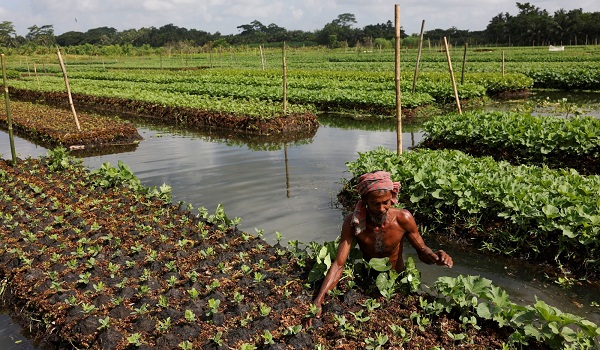
Despite agriculture contributing only around 15% to India’s nearly $4 trillion economy, the sector supports close to half of the country’s 1.4 billion population. Nearly 80% of Indian farmers are smallholders owning two hectares of land or less, making farm policy a highly sensitive political issue.
Farmer groups have already voiced concerns over the trade agreement, underscoring the challenges the government faces in balancing global trade ambitions with domestic political and economic realities.