

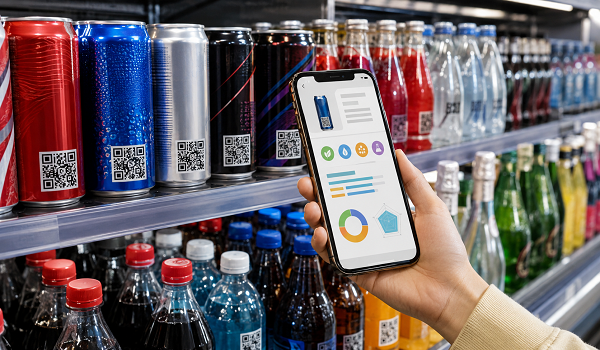
Major beverage manufacturers, including Coca-Cola, PepsiCo, Red Bull and Keurig Dr Pepper, are introducing QR codes on product packaging across the United States, enabling consumers to directly access detailed ingredient information as demand for transparency in food and beverage products continues to rise.
The initiative is being spearheaded by the American Beverage Association (ABA), with participating products linking consumers to GoodToKnowFacts.org, a digital platform launched by the trade body last year. The website provides information on more than 140 ingredients commonly used in packaged beverages, including explanations of their purpose, examples of products where they are used, and details of safety assessments conducted by regulatory authorities.
Brands participating in the initiative include Coca-Cola, Pepsi, Dr Pepper, Celsius, Monster Energy, Polar Beverages and Red Bull. PepsiCo has reportedly already integrated QR-code access into its beverage portfolio, while Coca-Cola is expected to complete its rollout this month. Keurig Dr Pepper plans to implement the feature later this year.
The move comes amid growing scrutiny of ingredients used in food and beverages and increasing consumer interest in understanding product composition. According to a recent EY survey, six out of ten consumers consider ingredients when selecting beverages.
The rising demand for transparency has also driven the popularity of nutrition-scanning applications such as Yuka, Bobby Approved and Zoe, which allow consumers to scan product barcodes and receive nutritional and ingredient assessments. Market research firm NIQ estimates that nearly one-fourth of Americans now use such applications, with a majority of users placing significant trust in the information they provide.
“Consumers want greater transparency and deserve to have confidence in the safety of their foods and beverages,” said Kevin Keane, President and CEO of the American Beverage Association.
Industry representatives described the QR-code initiative as part of a wider effort to make ingredient information more accessible and consistent. Bill McManus, Vice President of External Affairs at ABA, said the initiative reflects the beverage industry’s commitment to improving transparency and providing consumers with easier access to ingredient-related information.
The rollout also aligns with broader discussions in the United States regarding food ingredient disclosure and public health concerns. However, some health experts have questioned whether industry-backed information platforms provide a complete picture. Experts have suggested that consumers should also consult independent sources when evaluating ingredient safety and nutritional impact.
While the GoodToKnowFacts platform offers detailed explanations of ingredients, it does not provide product-specific formulations, meaning consumers will still need to review package labels for exact ingredient compositions.