

Regulator tells Delhi High Court the label was used deliberately to mislead buyers, as India’s fight over high-caffeine drinks goes to court
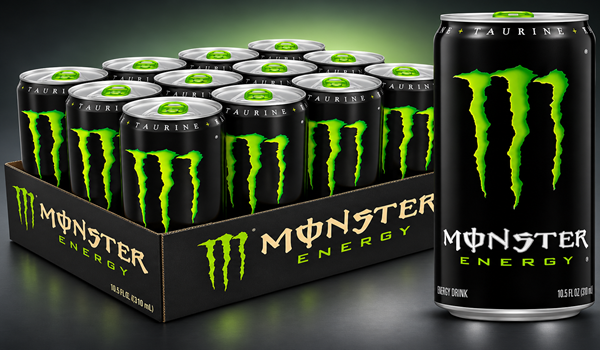
India’s food safety regulator has accused global beverage giants PepsiCo and Monster Beverage of using the “energy drink” label to deliberately “dupe” consumers. The charge, made in court filings reviewed by Reuters, marks a sharp escalation in the regulator’s defence of its ban on the term.
The Food Safety and Standards Authority of India (FSSAI) told the Delhi High Court that India has never set any standards for a category called “energy drinks.” Without such standards, it argued, the label has no legal basis.
“Purposely in order to dupe the consumers, a product is being marketed as a ‘Energy Drink’,” the regulator said in filings dated October 28.
A Ban That Shook the Industry
The dispute goes back to June, when FSSAI barred companies from using the term “energy drink” on their products. PepsiCo and Monster filed separate legal challenges. They argued that the regulator acted without warning and did not give them a chance to be heard.
The regulator now wants both challenges dismissed.
Last month, the Delhi High Court gave the companies partial relief. It allowed them to sell existing stock that already carries the “energy drink” label, but barred them from using the label on any new stock.
The case is due to be heard again later this week.
Health Risks at the Centre
In its filings, FSSAI pointed to the health risks these drinks may carry. It said they contain high levels of caffeine and sugar, along with taurine, an amino acid that researchers say can contribute to health problems.
“The regulatory concern is rooted in serious public health risks and consumer deception,” the regulator said.
India is not alone in its concern. England has announced it will ban the sale of such drinks to children under 16 from April next year.
A Market Worth Billions
The stakes are high. India’s energy drinks market is expected to reach $1.6 billion by 2028, according to Euromonitor. Sales are growing at 12.6% a year, faster than in the United States or China.
PepsiCo played a key role in building this market. Its 2017 launch of Sting, sold in bottles priced at about 21 cents, made energy drinks affordable for millions of Indian consumers.
Industry Giants Join the Fight
PepsiCo and Monster are not the only companies fighting the ban. Red Bull, Hell Energy and Reliance Consumer, the consumer goods arm of billionaire Mukesh Ambani’s Reliance group, have also filed lawsuits.
PepsiCo, Monster and FSSAI did not respond to Reuters’ requests for comment.
A Test Case for India’s Regulator
The legal battle is part of an unprecedented food safety crackdown in India. Industry watchers see it as a key test of how far FSSAI can go in policing product labels.
The outcome could reshape how millions of cans and bottles are marketed across one of the world’s fastest-growing beverage markets. For now, a single word on a label has become a billion-dollar question.