

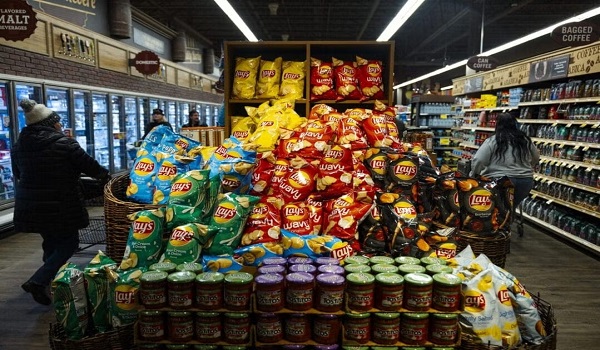
PepsiCo is cutting prices on its flagship snack brands after aggressive pricing strategies backfired, leading to declining sales, lost market share, and billions in missed revenue targets.
The company’s snacks division, Frito-Lay, had pushed prices of popular products like Doritos and Cheetos to as high as $7 per bag in the U.S., with Doritos prices rising nearly 50% since 2021. The steep hikes drew pushback from major retailers, including Walmart, which had warned PepsiCo for over a year about affordability concerns.
Despite retailer resistance and reduced shelf space—ceded to private-label brands and competitors like Takis—PepsiCo initially held prices steady. However, the strategy failed to revive demand, with Frito-Lay missing internal revenue targets by over a billion dollars for two consecutive years.
In response, PepsiCo announced in February that it would reduce prices by up to 15% on select snack products. The move is aimed at regaining consumers and restoring shelf space at key retailers such as Walmart, Costco, and Target. Early trials in select markets showed a “pretty good” improvement in volumes, according to CEO Ramon Laguarta, with full rollout expected by the end of April.
The pricing reset comes after prolonged internal debates within PepsiCo, where executives had initially resisted cuts to avoid short-term revenue hits. Alternative strategies such as promotions and shrinkflation failed to deliver results. A deeper business review led by Rachel Ferdinando in early 2025 ultimately concluded that price reductions were unavoidable.
The company has also faced mounting external pressures, including a shift in consumer preferences toward healthier snacks and increased competition from lower-priced brands. Activist investor Elliott Investment Management, which took a $4 billion stake in PepsiCo in 2025, had also pushed for improved affordability.
However, new challenges threaten to dilute the impact of price cuts. Rising oil prices linked to geopolitical tensions, including the Iran–Israel conflict, are increasing packaging and logistics costs. Analysts warn that modest price reductions may not be enough to win back cost-conscious consumers under growing economic pressure.
PepsiCo now faces a delicate balancing act—reviving demand through affordability while protecting margins in an increasingly volatile global environment.