

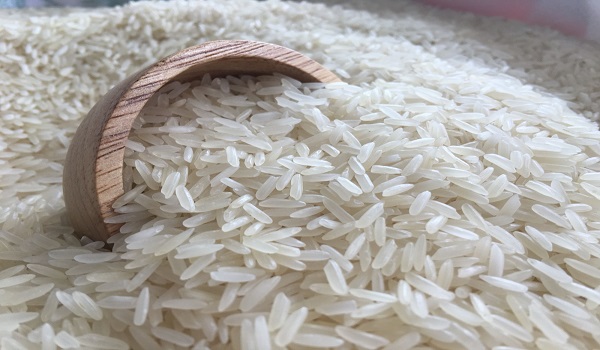
India’s rice export sector is entering a period of recalibration as the government tightens food security regulations to safeguard domestic supplies. The country exported 20.1 million tonnes of rice worth $12.95 billion in FY24–25, retaining its position as the world’s largest rice exporter. But frequent policy interventions — from export bans to stricter documentation norms — are reshaping the market and forcing exporters to adjust quickly.
Why India is Strengthening Controls
Erratic monsoons, heat waves, and fluctuating crop yields have heightened concerns about food availability. With domestic consumption rising and inflationary pressures mounting, the government has moved to protect stocks under the National Food Security Act (NFSA), which supplies subsidized grains to nearly 800 million people.
To ensure adequate domestic availability, authorities have issued export restrictions on non-basmati rice, introduced Minimum Export Prices (MEPs), and stepped-up customs checks. The tighter framework, officials say, is designed to stabilize local prices and prevent supply shortfalls in years when weather affects production.
Exporters Face Policy Volatility
The rapid toggling between “free,” “restricted,” and “prohibited” export categories has created uncertainty for traders. Exporters now contend with:
Unpredictable policy shifts that disrupt shipments and contract fulfilment
Higher working-capital pressure due to delays in approvals and compliance checks
Price floor challenges under MEPs, which often make Indian rice costlier than global competitors
Heavier paperwork and stricter inspection protocols, hitting small and medium exporters hardest
Many smaller exporters lack the financial cushion to absorb these disruptions, leading to concerns about long-term viability.
Importing Nations Diversify
India’s stricter policies have pushed major importers in West Africa, the Middle East and Southeast Asia to diversify. After the sudden ban on non-basmati white and broken rice, buyers temporarily shifted to suppliers such as Thailand, Vietnam, Pakistan and Myanmar.
However, this diversification comes at a cost: India has typically offered the most competitive prices due to scale and efficiency. Importers now face higher procurement costs and logistical adjustments.
A Balancing Act Between Local Need and Global Influence
With its outsized role in the global rice trade, India’s decisions ripple through international markets. The government continues to calibrate policy based on crop forecasts, inflation trends, stock levels and global price movements. Officials emphasise that domestic food security will remain the priority, even as India maintains its position as a major exporter.
Analysts say exporters will need to strengthen compliance systems, diversify product offerings and build resilient global partnerships to navigate this more controlled, policy-sensitive environment.
While the new conditions introduce short-term hurdles, they also underscore India’s commitment to stable domestic supply and price security — a stance that will continue to shape global rice trade in the years ahead.