

India is edging closer to a decision on how packaged foods should communicate their nutritional risks, as pressure mounts on regulators to introduce a clear front-of-pack labelling system for products high in sugar, salt and saturated fat.
The debate gained fresh momentum after the Supreme Court questioned the Food Safety and Standards Authority of India (FSSAI) over its delay in deciding on mandatory front-of-pack warning labels. The court has asked the government to consult experts and take a decision within two weeks, after a public interest litigation sought mandatory labelling across packaged foods.
A parliamentary panel has also urged FSSAI to finalise the regulations within a defined timeline, adding pressure on the food regulator to settle a debate that has continued for years.
What Front-of-Pack Labels Actually Do
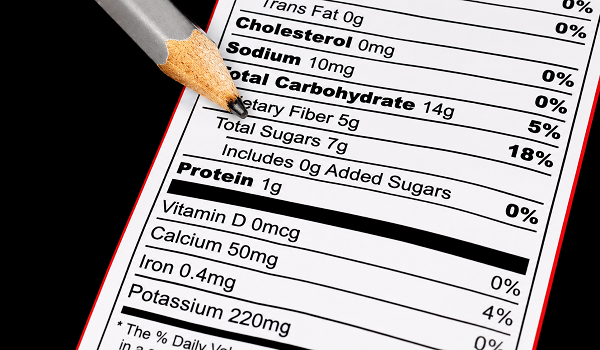
Front-of-pack labelling is designed to make nutritional information easier to understand at the point of purchase.
Unlike detailed back-of-pack nutrition panels, which require consumers to examine multiple figures, FOP labels can use warnings, colours, symbols, grades or star ratings to highlight nutrients such as sugar, sodium, salt, saturated fat and total fat.
The central question for India is not whether consumers need simpler information, but what kind of information should appear on the front of the package—and how directly it should warn shoppers about potential health risks.
India’s Unfinished Approach
India has considered several models, with public-health advocates generally favouring prominent warning symbols for products containing excessive amounts of critical nutrients.
FSSAI, meanwhile, has explored a more positive scoring-based approach. Its proposed Indian Nutrition Rating would award products between 0.5 and five stars based on factors including energy, sugar, salt, saturated fat, protein and fibre.
The proposal attracted more than 14,000 public comments and was subsequently reviewed by an expert committee, but the process failed to produce consensus and the proposal was deferred.
In its latest affidavit filed on August 3, FSSAI proposed another approach: displaying recommended daily limits for added sugar, saturated fat and salt alongside the product’s nutrient content per 100 grams and serving size.
Critics argue that this approach could place the burden of interpretation on consumers rather than providing an immediate warning about products high in potentially harmful nutrients.
How Other Countries Have Chosen to Warn Consumers
India’s unresolved debate stands in contrast to several countries that have already adopted front-of-pack systems.
Chile has one of the most prominent warning-based models. Its black octagonal labels identify products high in calories, added sugars, sodium or saturated fat. Foods carrying warnings also face restrictions on marketing to children and cannot be sold in schools.
Mexico similarly uses mandatory black warning octagons for excessive calories, sugar, saturated fat, trans fat and sodium.
Israel combines mandatory red warning symbols for products high in sugar, sodium and saturated fat with voluntary green symbols identifying foods that meet specified nutritional standards.
Other countries have taken a more comparative approach.
The United Kingdom uses a voluntary traffic-light system, with green, amber and red indicators showing whether levels of fat, saturated fat, sugars and salt are low, medium or high. The labels also provide the percentage of an average adult’s recommended daily intake.
France uses Nutri-Score, which grades foods from A to E across a five-colour scale. The system weighs positive nutritional components such as fibre, protein and fruit and vegetable content against factors including energy, sugars, saturated fat and sodium.
China and the US Take Different Paths
China has opted for a broader labelling and public-health approach rather than adopting a single warning-label format. Revised standards released in March 2025 and scheduled to take effect in March 2027 expand mandatory labelling requirements to include sugars and saturated fat, alongside messaging encouraging children and adolescents to limit salt, oil and sugar intake.
The United States, meanwhile, does not currently have a mandatory nationwide front-of-pack nutrition system. Packaged foods are required to provide information such as the Nutrition Facts panel, ingredient list and manufacturer details, while a mandatory front-of-pack system is under development. Some manufacturers already provide simplified nutrition information voluntarily.
Warning or Rating?
The international experience highlights two broad philosophies.
Interpretive systems—such as Nutri-Score, traffic lights and warning symbols—help consumers quickly judge a product’s nutritional profile. Non-interpretive systems, by contrast, provide numerical information without explicitly telling shoppers whether a product is nutritionally good or bad.
That distinction sits at the heart of India’s regulatory debate.
A warning label can make a high-sugar or high-salt product immediately identifiable. A rating system can provide a broader assessment of nutritional quality but may require consumers to understand what the score means.
For India, the decision will determine not only how food companies design their packaging, but also how easily millions of consumers can assess what they are buying.
After years of debate, the pressure on FSSAI is now intensifying. The Supreme Court’s intervention has moved front-of-pack labelling from a prolonged regulatory discussion toward a decision point—and India’s eventual model could significantly reshape how packaged food communicates health information to consumers.