

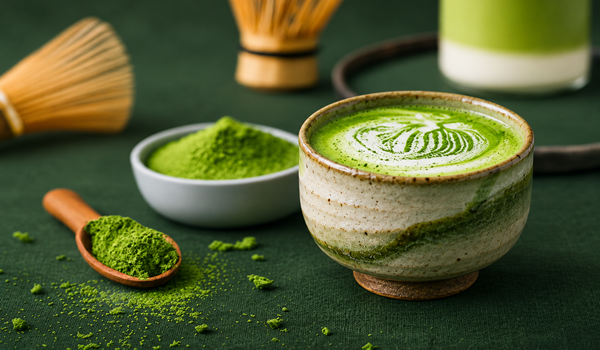
India’s growing appetite for matcha, the finely ground Japanese green tea, is creating fresh opportunities for beverage companies as changing consumer preferences, social media influence and premium café offerings drive demand. The country’s matcha tea market, valued at $45.7 million in 2025, is projected to reach $96.4 million by 2033, growing at a compound annual growth rate (CAGR) of 9.8% between 2026 and 2033, according to Grand View Research.
India accounted for 4.7% of global matcha tea market revenue in 2025, reflecting the growing interest in a beverage that was once largely associated with traditional Japanese tea culture.
The surge in popularity is also visible in online searches. Google India data shows that searches for “how to make matcha” increased by 1,300% over the past year, while searches for “matcha protein” and “matcha health” rose by 2,500% and 1,000%, respectively. The growing digital interest is helping introduce the beverage to younger consumers, particularly those exploring alternatives to conventional coffee and tea.
Café chains are already witnessing the impact. Tata Starbucks, which has offered matcha in India for more than a decade, reported that sales from its matcha portfolio have nearly doubled. Iced and cold beverages have emerged as particularly popular choices, with the company expanding its range to include strawberry, coconut and mango matcha combinations, as well as espresso-matcha fusions.
The trend is also influencing food innovation, with matcha making its way into products such as pastries and desserts.
At Subko, matcha accounts for approximately 24% of average beverage sales across its outlets in Mumbai, Bengaluru and Delhi. The beverage, introduced in December 2025, has found its strongest consumer base among Gen Z, although millennials and customers looking for beverages with relatively lower caffeine content are also contributing to demand.
However, the premium positioning of matcha remains a challenge. The ingredient is significantly more expensive than many conventional beverage inputs, making affordability an important consideration as companies look beyond specialist cafés to reach a wider consumer base.
Packaged beverages and instant mixes could provide the next growth opportunity. Tata Consumer Products has already introduced Tetley Matcha and its Matcha Latte range as part of its premiumisation and product innovation strategy. Matcha-flavoured ice creams, pastries and other food products could further expand its presence in the Indian market.
Despite the encouraging demand, maintaining consistent quality and securing reliable supplies remain important challenges. Matcha is produced from specially cultivated tea leaves that are shaded before harvesting, steamed, dried and ground into a fine powder. Quality verification and sourcing documentation are therefore critical for businesses.
Industry experts also point out that terms such as “ceremonial grade” and “culinary grade” are relatively recent marketing classifications rather than universally regulated Japanese quality standards.
Globally, rising demand has put pressure on supplies and contributed to price increases. For Indian companies, sourcing authentic matcha at commercially viable prices will be essential to expanding the category.
While social media and premium cafés have given matcha considerable visibility, its long-term success will depend on whether brands can make it affordable and accessible beyond urban premium consumers. The challenge now is to transform matcha from a fashionable café beverage into a regular part of India’s expanding beverage and food market.