

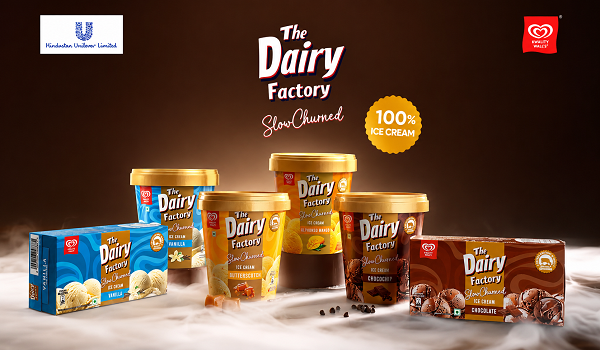
The decision by Kwality Wall’s to eliminate vegetable fats from its entire Indian portfolio and transition exclusively to dairy-based ice creams has reignited discussions around food labelling, ingredient transparency, and consumer awareness in India’s frozen dessert market.
Announced by Peter ter Kulve, CEO of The Magnum Ice Cream Company, the move will see nearly half of the company’s Indian product range converted to dairy-based formulations in 2026, with the remaining portfolio expected to follow by next year.
The announcement marks a significant shift in an industry that has long been divided between traditional dairy ice creams and frozen desserts made with vegetable fats such as palm oil. While both categories are legally permitted and regulated, consumer advocates argue that many buyers remain unaware of the distinction despite mandatory labelling requirements.
Industry experts say the transition reflects changing consumer preferences as shoppers increasingly scrutinise ingredient lists, nutritional claims, and product quality. The move also comes amid growing public conversations around food transparency and clean-label products.
According to market estimates, India’s frozen dessert category has emerged as a major segment within the frozen treats industry, driven by lower production costs and affordable pricing. However, health advocates have frequently criticised packaging practices that make it difficult for consumers to distinguish between dairy-based ice cream and vegetable-fat-based frozen desserts.
Food activist Revant Himatsingka, popularly known as FoodPharmer, described the development as a positive outcome for consumers. He said growing public awareness about ingredient disclosures and product labelling has encouraged brands to align more closely with consumer expectations.
Nutritionist and fat-loss coach Mohita Mascarenhas noted that while consumers are becoming more health-conscious, better labelling remains essential. She advocated for clear front-of-pack disclosures highlighting factors such as sugar content, saturated fat levels, and calorie density, enabling consumers to make informed choices quickly.
Industry observers believe the debate extends beyond ice cream and frozen desserts to broader concerns about food transparency in India. Calls for more prominent ingredient declarations, larger nutrition panels, multilingual labelling, and front-of-pack warning systems have gained momentum as regulators and consumer groups push for greater accountability from food manufacturers.
Experts argue that improved labelling standards could help consumers better understand what they are purchasing while encouraging fair competition among brands. As food companies increasingly adapt their formulations to meet evolving consumer expectations, transparency is expected to become a key differentiator across India’s food and beverage sector.
The move by Kwality Wall’s is being viewed as a milestone in that transition, signalling a growing emphasis on ingredient clarity and consumer trust in one of India’s fastest-growing frozen food categories.