

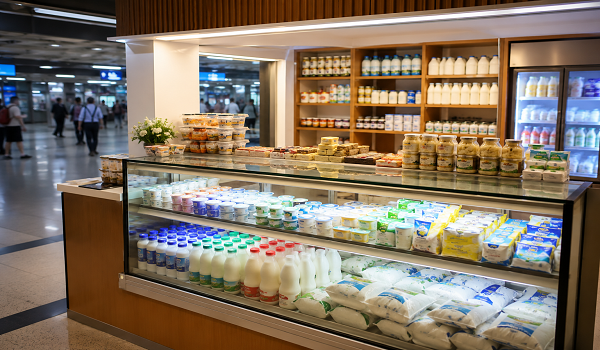
Maharashtra Chief Minister Devendra Fadnavis has inaugurated a dairy outlet of Shri Warana Sahakari Dudhutpadak Prakriya Sangh Ltd. inside Mumbai’s Chhatrapati Shivaji Maharaj Terminus (CSMT) metro station, creating a new direct retail opportunity for cooperative dairy brands in one of India’s busiest urban transport hubs.
The outlet, located along Mumbai Metro Line 3, represents an important step for regional dairy cooperatives seeking closer access to city consumers. By entering high-footfall public infrastructure such as metro stations, cooperatives can move beyond conventional distribution networks and reach consumers directly with fresh dairy products.
For Warana, the initiative connects rural milk producers from the Kolhapur region with Mumbai’s large and fast-moving consumer base. Traditionally, dairy cooperatives depend on layered distribution systems to supply products to urban markets. These channels often involve multiple intermediaries, reducing the share of value that reaches farmer-producers.
The metro outlet offers a more direct route to market. It allows the cooperative to improve brand visibility, retain better value from retail sales and strengthen the economic link between village-level milk producers and urban households.
Speaking at the launch, Chief Minister Fadnavis appreciated the initiative and described it as a positive step for Maharashtra’s cooperative movement. Government representatives, including Assembly Speaker Rahul Narwekar and Minister Atul Save, also highlighted the wider potential of using metro spaces for local and cooperative brands.
Such outlets can generate employment, improve revenue from commercial spaces and provide commuters with convenient access to quality dairy products. At the same time, they can help farmer-led organisations establish a stronger consumer-facing presence in urban markets.
The initiative also reflects the growing importance of integrated dairy supply chains, where cooperatives are not limited to milk procurement and processing but are also building their own retail platforms.
Warana’s model emphasizes rural development, fair pricing and the participation of village-level producers, including women’s self-help groups. By bringing cooperative products into premium urban locations, the outlet becomes more than a retail counter; it becomes a platform for strengthening farmer-owned dairy brands.
The success of this pilot could encourage similar cooperative dairy outlets at other metro stations and transport hubs across Mumbai. As urban infrastructure expands, dairy cooperatives may find new opportunities to build direct consumer relationships, improve margins and bring fresh regional dairy products closer to city consumers.