

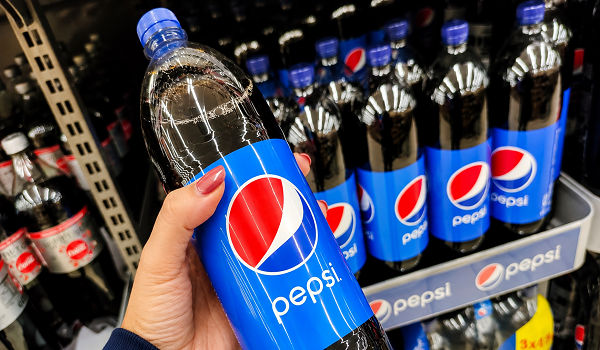
PepsiCo reduced its use of virgin plastic and increased recycled content in its packaging during 2025 as the global food and beverage company continued to redesign bottles, wrappers and other packaging formats across its portfolio.
The company used around 2 million metric tonnes of plastic for packaging during the year, slightly below 2024 levels. More significantly, PepsiCo reported a 6% year-on-year reduction in absolute virgin plastic use in 2025, following a 5% decline in the previous year.
The reduction puts the company ahead of the average annual pace required under its current target, which calls for at least a 2% average annual reduction in virgin plastic use through 2030.
Lightweighting has emerged as one of the main ways PepsiCo is reducing material consumption. Bottle redesigns across brands including Gatorade and Lipton have helped eliminate thousands of tonnes of plastic while maintaining the functionality of the packaging.
PepsiCo is also experimenting with alternatives to conventional plastic formats. In Australia, some chip multipacks have moved from plastic overwraps to paper-based outer packaging. The company is also working with packaging technology developers on molded-fiber bottle concepts.
Recycled material is meanwhile taking a larger role in PepsiCo’s plastic packaging. Recycled content increased to 18% in 2025 from 15% in 2024. The company is targeting at least 40% recycled content in its plastic packaging by 2035 or earlier.
More than 40 markets now have at least one PepsiCo product using recycled PET, or rPET. The company has also expanded the use of recycled material in beverage bottles, including a move towards bottles made entirely from rPET in Poland.
Across PepsiCo’s broader packaging mix, fiber represented 34% in 2025, followed by PET plastic at 30%, glass at 10%, aluminium at 8% and flexible films at 5%.
The company is also focusing on whether packaging can work effectively within recycling and recovery systems. In 2025, 94% of its primary and secondary packaging in key markets was designed to be reusable, recyclable or compostable. PepsiCo aims to increase this figure to at least 97% by 2030.
Individual markets are being used to test different approaches. PepsiCo has removed PVC liners from selected glass bottle caps in Vietnam, introduced recyclable shrink sleeves for Lipton products in France and shifted some snack packaging towards monomaterial flexible structures that can be easier to process through appropriate recycling systems.
The company is also looking beyond packaging design itself. Investments and partnerships involving recycling infrastructure, collection systems and extended producer responsibility are becoming part of its wider approach.
PepsiCo has expressed support for industry-led extended producer responsibility systems with government oversight and has participated in initiatives intended to improve recycling policies and collection rates.
Reusable packaging is another area receiving attention. The company has worked with sports venues to introduce reusable cups for fountain beverages and is exploring opportunities to expand such systems.
Products that require less packaging are also part of the strategy. PepsiCo has identified beverage powders and concentrates, along with its SodaStream business, as potential routes for reducing the amount of packaging needed to deliver beverages to consumers.
The latest figures suggest PepsiCo’s packaging strategy is moving beyond simply reducing plastic. The company is increasingly combining lightweighting with higher recycled content, improved recyclability, reusable formats and alternative materials as it works towards its longer-term packaging sustainability targets.