

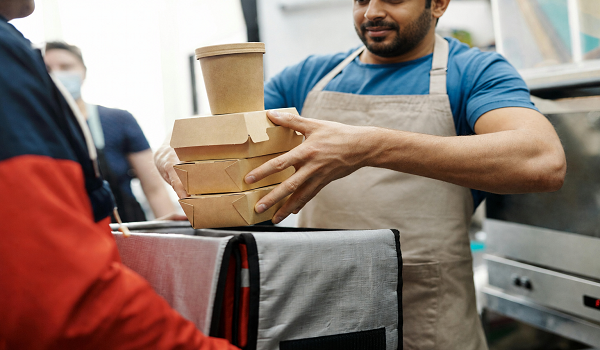
India’s food delivery ecosystem is witnessing a significant shift as thousands of small and independent restaurants increasingly challenge the commission-heavy business models of major food delivery platforms. Facing mounting pressure on profit margins, many eateries are exploring alternative ordering channels, direct-to-consumer strategies, and industry-led delivery networks to regain control over customer relationships and operational costs.
Restaurant owners across the country have raised concerns over commissions, promotional charges, and platform-related fees that can substantially impact profitability, particularly for small and medium-sized establishments. Industry stakeholders argue that while food delivery platforms have expanded market access and consumer convenience, the associated costs have become increasingly difficult for smaller businesses to absorb.
In response, several restaurant groups and industry associations are promoting direct ordering solutions through their own websites, mobile applications, and social media channels. These initiatives aim to reduce dependency on aggregator platforms while enabling restaurants to retain a larger share of revenue and build stronger customer loyalty.
The growing dissatisfaction has also sparked interest in alternative delivery models, including cooperative networks and low-commission platforms designed specifically for independent restaurants. Some operators are investing in in-house delivery capabilities, while others are partnering with local logistics providers to offer customers competitive delivery services without the burden of high platform fees.
Industry experts note that the movement reflects a broader effort by restaurant owners to achieve a more sustainable balance between digital visibility and financial viability. While large food delivery platforms continue to play a crucial role in driving online orders, restaurants are increasingly seeking greater flexibility and negotiating power in their partnerships.
The emerging trend signals a potential reset in India’s food delivery landscape, where restaurants are no longer willing to rely solely on commission-driven aggregators. Instead, they are adopting a diversified approach that combines platform presence with direct ordering channels, allowing them to protect margins while maintaining access to the rapidly growing online food delivery market.
As competition intensifies and consumer demand for convenience remains strong, the relationship between restaurants and delivery platforms is likely to evolve, with greater emphasis on sustainable business models that benefit both service providers and food establishments.