

Food manufacturers today offer more than just sweetness—they deliver taste, texture, and indulgence, all of which traditional sugar has reliably provided for decades. However, with rising lifestyle-related conditions in India, reducing sugar content has become one of the most effective ways to improve nutritional profiles without compromising consumer satisfaction.
Reformulation, however, has long been a technical challenge. Conventional alternatives such as polyols and high-intensity sweeteners often fall short, failing to replicate sugar’s full range of functional properties like browning, bulk, texture, crystallisation, and preservation. This gap has limited their effectiveness in large-scale food production.
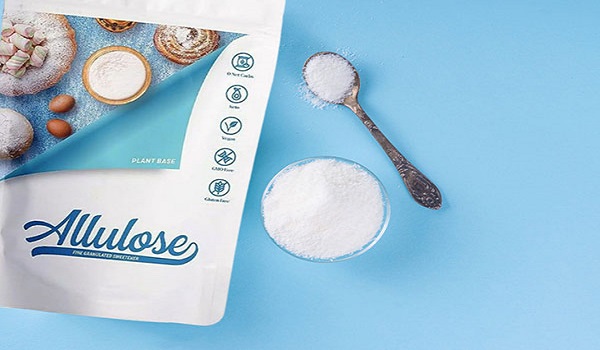
Against this backdrop, allulose is gaining attention as a next-generation solution. Unlike plant-based or blended sweeteners, allulose is a single, well-defined molecule that closely mimics sugar’s performance across multiple parameters. It offers about 70% of sugar’s sweetness, supports Maillard browning, provides similar bulk and texture, and functions effectively in crystallisation and preservation processes.
From a nutritional standpoint, allulose delivers a significant advantage, containing just 0.4 kcal per gram—roughly 90% fewer calories than sugar—while maintaining a clean taste profile without aftertaste. Its ability to blend seamlessly with other sweeteners further enhances its versatility.
Recent sensory research places allulose among the closest substitutes to sucrose, positioning it as a fourth-generation sweetener capable of bridging the long-standing gap between calorie reduction and sensory performance.
A major turning point has been its improved affordability. Previously priced above ₹600 per kilogram, allulose is now available at approximately ₹400/kg through domestic suppliers such as Hexicose Foods. This price shift significantly enhances its commercial viability across categories, including dairy, bakery, confectionery, and beverages.
On the regulatory front, the Food Safety and Standards Authority of India granted its first Novel Food approval for allulose in October 2024, with multiple approvals now in place. Internationally, the U.S. Food and Drug Administration excludes allulose from “added sugars” on labels, while Food Standards Australia New Zealand has assigned it a high safety rating.