

Bihar’s dairy sector is set for a major infrastructure expansion with a ₹350-crore dairy processing plant proposed in the Champaran region. The new facility will have the capacity to process around four lakh litres of milk per day, providing a significant boost to milk procurement, processing and organised marketing in the region.
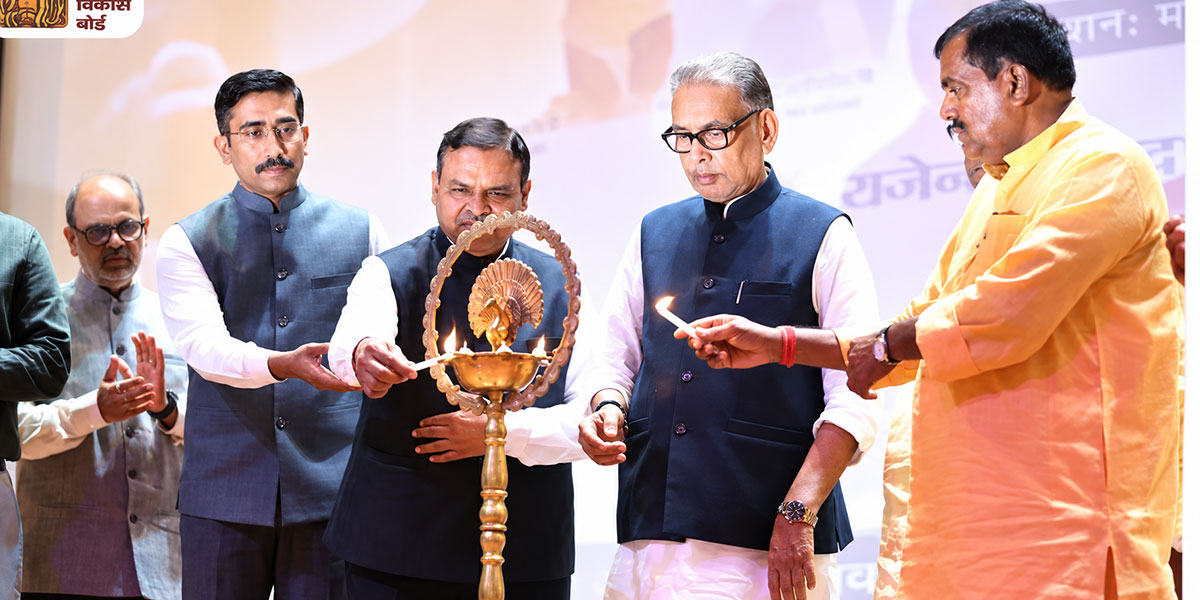
The project was highlighted during the Agriculture, Animal Husbandry and Fishery Entrepreneur Development Fair held in Motihari, attended by National Dairy Development Board (NDDB) Chairman and Managing Director Dr Meenesh Shah, Member of Parliament Radha Mohan Singh and senior Bihar government officials.
According to ICAR, the project involves plans for a second Mother Dairy plant in Champaran with an estimated investment of ₹350 crore. The development comes as milk collection in Champaran and adjoining districts continues to expand, creating the need for greater processing capacity and stronger market linkages.
At the centre of this growing dairy network is the Bapudham Milk Producer Organization, which was established in 2017 with support from NDDB. The organisation was created to provide dairy farmers with fair milk prices, an assured market and greater participation in the dairy value chain.
Today, Bapudham collects approximately 1.5 lakh litres of milk every day from more than 1,500 villages across Champaran and adjoining districts. More than 67,000 farmers are associated with the organisation.
Since its establishment, over ₹1,000 crore has reportedly been transferred directly into farmers’ bank accounts against milk supplied to the organisation. The expanding procurement network has increased the need for institutional processing infrastructure capable of handling larger milk volumes.
The proposed four-lakh-litre-per-day plant is expected to address this requirement while strengthening the entire regional dairy supply chain. Apart from processing, the investment could generate direct and indirect employment in milk procurement, transportation, logistics, processing, distribution and allied dairy services.
The development is not limited to processing infrastructure. Efforts are also underway to improve milk productivity at the farm level.
Breed-improvement initiatives are planned across 300 villages in Champaran, with the objective of improving livestock genetics and raising average milk yields through better breeding practices.
NDDB is also working to strengthen village-level dairy infrastructure in Bihar. Automatic Milk Collection Systems, Bulk Milk Coolers and other technical facilities are being expanded in existing dairy societies with support from COMFED.
Artificial insemination and breeding infrastructure is another area receiving attention. In addition to the existing semen station at Purnia, a new facility is being developed in Bihar that will provide sex-sorted semen alongside conventional semen. The initiative is intended to support better breeding outcomes and improve the genetic potential of dairy animals.
The state is simultaneously looking at expanding the cooperative dairy network. Plans announced at the Motihari event include extending dairy cooperative societies to thousands of villages and strengthening organised milk procurement and marketing.
For Champaran’s dairy farmers, the ₹350-crore project could provide a larger and more reliable market for growing milk production. For Bihar’s dairy industry, it represents a move towards integrating farm-level productivity, organised milk collection, chilling, large-scale processing and market access within a stronger regional dairy value chain.
With a processing capacity of four lakh litres per day, the proposed plant could become an important addition to Bihar’s dairy infrastructure and help translate rising milk production into greater value addition and more stable income opportunities for farmers.