

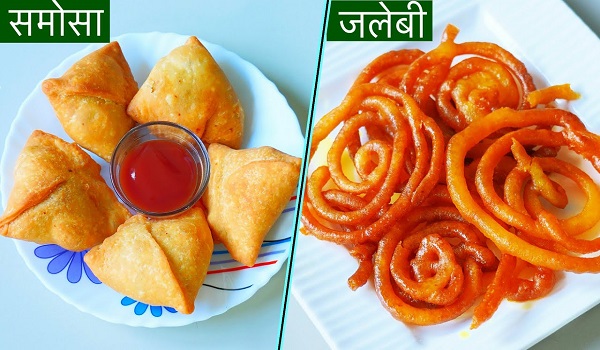
Federation of Sweets and Namkeen Manufacturers says singling out Indian snacks like samosas and jalebis is unfair; urges moderation and mindful eating over fear-based advisories.
The Federation of Sweets and Namkeen Manufacturers (FSNM) has strongly condemned the Union Health Ministry’s latest directive to place tobacco-style health warnings on traditional Indian snacks such as samosas, jalebis, vada pavs, and kachoris. The ministry’s move, aimed at addressing obesity and non-communicable diseases, also proposes that government departments carry fat and sugar warnings on official stationery and install awareness boards in public institutions.
FSNM, however, has voiced serious concern over the blanket vilification of India’s age-old snack culture and is currently in active talks with food safety authorities and regulatory bodies to press for a more balanced, evidence-based approach.
“Don’t Demonize Culture—Advocate Moderation,” Says FSNM
According to FSNM, moderation—not marginalization—is the key to healthy living. “If overconsumption is the problem, then that needs to be addressed across all categories of food and drink—including so-called health foods, supplements, and beverages,” the federation stated. “Even excessive water intake can harm the kidneys. So why target traditional snacks made from familiar, everyday ingredients?”
The FSNM emphasizes that samosas, jalebis, and other mithais or namkeens are not inherently harmful, consumption in moderation is recommended. The Federation argues that most consumers eat these items occasionally, particularly during festivals or family events, not as daily staples.
“We must stop equating traditional food with toxicity. Let’s promote mindful eating habits and portion control instead of issuing blanket warnings that create confusion and fear,” said an FSNM spokesperson.
“There is an urgent need to conduct scientific and behavioural studies before drawing such direct links. The issue is multi-faceted and includes sedentary lifestyles, screen addiction, changing sleep cycles, and poor school nutrition—not just what’s on a plate during festivals,” the Federation argued.
Support for Transparency—Not Stigma
FSNM maintains that it is not against promoting health awareness. On the contrary, the body supports labelling transparency and educational campaigns—but not shock-based messaging that demonizes Indian cuisine.
The Federation welcomed comments from medical professionals like Dr. Sameer Gupta, who acknowledged the importance of educating people about portion size and frequency rather than vilifying specific foods. FSNM believes that nutrition literacy, positive messaging, and consumer empowerment are far more effective tools than statutory scare tactics.
In closing, FSNM has appealed for an inclusive and consultative process, urging the Health Ministry to work with food manufacturers, health experts, cultural scholars, and consumer groups to shape policies that are both effective and culturally respectful.
“India cannot become a healthy nation by turning its back on its food heritage,” the Federation stated. “We urge the authorities to rethink this directive. Let’s address obesity with science, awareness, and responsibility—not stigma and sensationalism.”
As the country navigates the complex landscape of public health and nutrition, FSNM insists that education and cultural sensitivity—not fear—must shape India’s future food policies.