

The proposed front-of-pack warning labels on packaged foods in India have hit a roadblock, with industry stakeholders opposing the move and the Supreme Court of India expressing concern over delays in implementation.
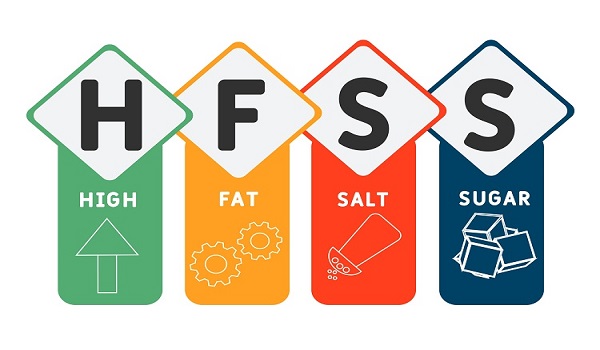
The labelling system, being pushed by the Food Safety and Standards Authority of India (FSSAI), aims to flag foods high in fat, salt and sugar (HFSS) on the front of packaging to help consumers make informed choices. However, food manufacturers argue that the proposed model is not suited to Indian dietary patterns.
Industry bodies, including the All India Food Processing Association, have raised concerns that the system—largely inspired by global practices in countries such as Chile and Mexico—relies on per-100g measurements that do not reflect typical Indian consumption. They argue that foods like pickles, jams, and traditional sweets are consumed in small portions, and such labelling could exaggerate their perceived health risks.
Further, industry representatives claim that packaged foods contribute less than 12% of India’s total calorie intake, with the majority coming from home-cooked meals and unregulated street food. They warn that strict warning labels could unfairly stigmatize traditional products and impact MSMEs that may struggle to reformulate recipes.
On the other hand, public health experts and institutions like the National Institute of Nutrition maintain that front-of-pack nutrition labelling (FOPNL) is essential to combat rising levels of obesity, diabetes and other non-communicable diseases. They argue that clear, visible warnings can help consumers quickly identify unhealthy products, especially when back-of-pack labels are often ignored.
Health experts point to studies linking ultra-processed foods to increased disease risk and stress that India’s growing burden of diet-related illnesses necessitates urgent intervention. Organizations such as the Public Health Foundation of India and Nutrition Advocacy in Public Interest have also called for the immediate implementation of warning labels.
While the FSSAI has told the court that consultations and further research are ongoing, the Supreme Court has expressed dissatisfaction with the pace of progress, noting the lack of tangible outcomes so far.
The debate highlights a broader conflict between public health priorities and industry concerns, leaving the future of HFSS warning labels in India uncertain as regulators continue to navigate scientific, economic and consumer considerations.