

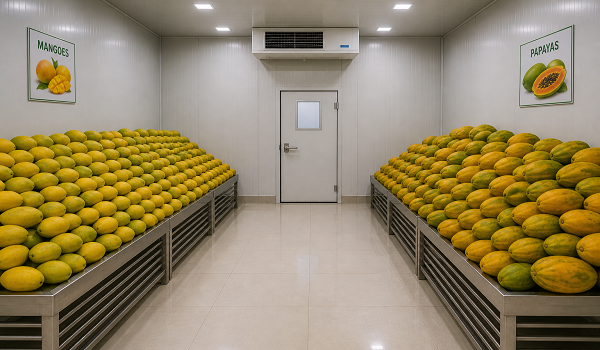
In a fresh push to safeguard consumer health during the peak fruit season, the Food Safety and Standards Authority of India has directed all states and Union Territories to intensify surveillance against the illegal use of chemicals for ripening fruits.
The nationwide advisory places particular emphasis on curbing the use of Calcium Carbide—commonly referred to as “masala”—a banned substance frequently used to artificially ripen fruits such as mangoes and papayas.
Zero Tolerance for Banned Chemicals
The regulator has reiterated that Calcium Carbide remains strictly prohibited due to its serious health implications, including respiratory problems, skin damage, and potential long-term toxicity. In a stricter stance, the FSSAI has clarified that even the presence of the chemical in proximity to fruits at storage or retail points will be treated as sufficient grounds for prosecution.
Clear Rules on Approved Ripening Agents
While ethylene gas continues to be permitted as a safe ripening agent, the authority flagged widespread misuse of Ethephon. It cautioned that practices such as dipping fruits in Ethephon solutions or applying it in powder form are illegal and unsafe.
Enforcement Drive Intensifies
States have been asked to ramp up enforcement measures, including surprise inspections, on-the-spot testing, and strict legal action against violators. The directive comes as fruit consumption surges across India during the summer months, raising concerns over unsafe ripening practices in wholesale markets and supply chains.
The move signals a tighter regulatory grip on food safety compliance, with authorities aiming to curb hazardous shortcuts in fruit ripening and ensure safer produce reaches consumers.