

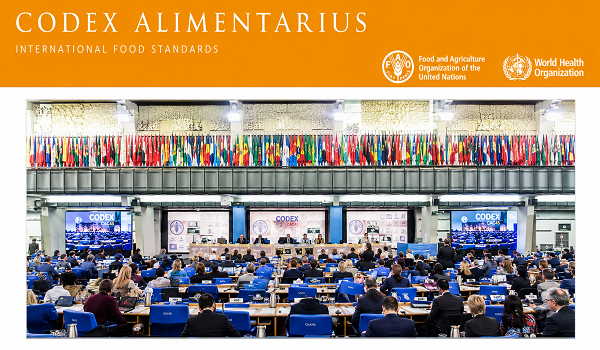
The 49th session of the Codex Alimentarius Commission (CAC) is set to take place in Geneva from July 6–10, 2026, bringing together 189 member countries and 246 observer organisations to deliberate on a broad range of food standards, policy proposals and regulatory initiatives.
The meeting will focus on the adoption of work finalised across multiple Codex committees, while also reviewing proposals for new work areas and discussing ongoing regulatory issues affecting global food systems. Key agenda items include progress on the Joint Codex Committee on Pesticide Residues and Codex Committee on Residues of Veterinary Drugs in Food electronic working group on dual-use compounds, along with discussions on incorporating country-of-harvest information in spice labelling.
The session will also conclude activities under the 2024–2025 biennium, including a review of implementation progress under the Codex Strategic Plan 2020–2025, budgetary and financial reports, and a final update on the Codex Trust Fund.
Several proposed standards and revised guidelines are expected to come up for adoption during the meeting. Recommendations from the Codex Committee on Spices and Culinary Herbs include standards for products such as vanilla, large cardamom and coriander, reflecting ongoing efforts to harmonise international specifications for spice trade.
Food safety and hygiene issues will also feature prominently. Proposed revisions from the Codex Committee on Food Hygiene include updated guidelines covering food allergen management, safe use and reuse of water in food production, and strengthened measures to control foodborne pathogens and parasites in meat and poultry products.
The Commission will also examine updates relating to food additives, labelling and analytical standards. Proposed amendments include revisions to the General Standard for Food Additives, updated classification systems for food additives, a standard for bakers’ yeast and new food labelling provisions, including precautionary allergen labelling and guidelines for labelling during emergency situations.
In addition, the Codex Committee on Residues of Veterinary Drugs in Food has proposed new maximum residue limits for veterinary medicines in camelid products and guidelines addressing unintended drug residue carryover in animal feed.
The Geneva meeting is expected to play a key role in shaping future global food standards, with decisions likely to influence food safety practices, international trade frameworks and regulatory approaches across the food industry.