

PepsiCo India and Monster Beverage have approached the courts against the Food Safety and Standards Authority of India (FSSAI) over its directive restricting the use of the term “energy drink” on high-caffeine beverages, escalating a regulatory dispute that has already reached the courts in cases involving other major brands.
FSSAI issued the directive on June 30, 2026, requiring manufacturers to stop using “energy drink” or similar descriptions for beverages covered by the order. The regulator has cited concerns surrounding products containing significant amounts of caffeine, sugar and taurine. Companies were given 90 days to comply, according to court filings reviewed by Reuters.
PepsiCo cites impact on investments and inventory
In a September 29 filing before the Delhi High Court, PepsiCo India argued that the directive would have “grave commercial consequences” for its business and affect substantial investments made in the category.
The company said that as of July 31, nearly 492 million bottles and 26 million cans carrying the affected labels were in circulation. PepsiCo also contended that it was not allowed to present its case before the directive was issued.
According to the filing, several states began taking action against stocks carrying the disputed labelling after the regulator’s directive.
PepsiCo markets Sting and Adrenaline Rush in India. Sting, launched in the country in 2017, has become a major player in the segment, with its low-priced ₹20 bottles contributing to the rapid expansion of the category.
Monster cites financial and reputational losses
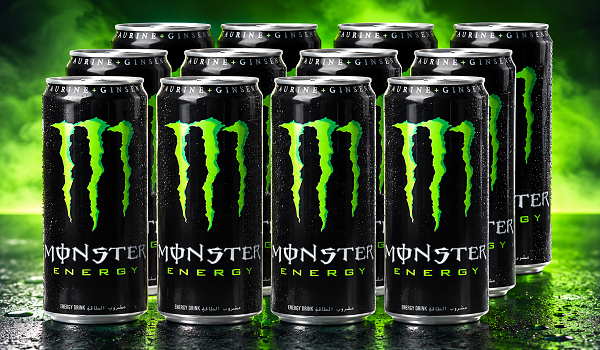
Monster Energy India, the local unit of Monster Beverage, has also challenged the directive before the Delhi High Court.
In its September 30 filing, Monster said it had not received prior notice before the decision and claimed that it was suffering financial losses and reputational harm as a result of the restriction. Monster Beverage did not respond to Reuters’ queries, while FSSAI also did not comment on the cases.
The petitions are expected to be taken up by the court shortly.
Legal challenges gather momentum
The PepsiCo and Monster cases follow legal challenges by other beverage companies affected by the directive.
The Delhi High Court recently set aside FSSAI’s order against Red Bull, holding that the company had not been allowed to present its case before the regulator’s decision. FSSAI has indicated that it plans to appeal the ruling.
Separately, Hell Energy has obtained a court order putting the regulatory decision on hold for the company, adding another layer to the growing legal dispute.
The developments have created a fragmented regulatory landscape for energy drink manufacturers, with companies seeking judicial relief while FSSAI’s broader labelling restrictions remain under challenge.
Fast-growing market under regulatory scrutiny
India’s energy drink market has expanded rapidly in recent years, with retail sales growing at about 12.6% annually, according to Euromonitor data cited by Reuters. The market is projected to reach approximately $1.6 billion by 2028.
The regulatory debate comes amid increasing international scrutiny of energy drinks because of their caffeine, sugar and taurine content. Several regulators globally have been examining the potential health implications of high consumption, particularly among younger consumers.
For India’s beverage industry, however, the immediate issue is the use of the “energy drink” descriptor itself, with manufacturers arguing that removing a long-established product description could affect existing inventory, brand identity and investments.
The outcome of the PepsiCo and Monster cases could therefore have wider implications for how high-caffeine beverages are classified and labelled in India’s fast-growing beverage market.