

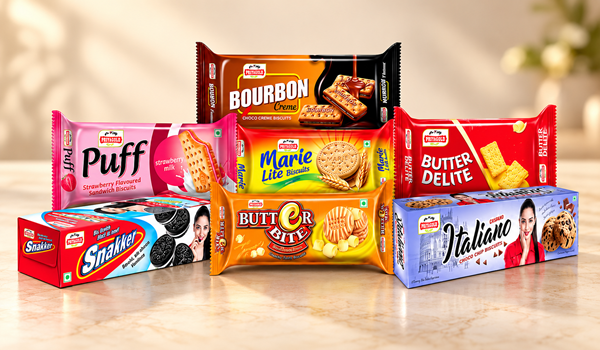
Nepal has banned the import, sale and distribution of Priyagold biscuits manufactured by India-based Surya Food and Agro Ltd after India’s food safety regulator identified serious violations at the company’s manufacturing facility.
The Food Technology and Quality Control Department (FTQCD) of Nepal announced the restrictions in a notice issued on Monday, October 19, describing the biscuits as substandard. The decision follows action by India’s Food Safety and Standards Authority of India (FSSAI), which has suspended the manufacturer’s licence and initiated legal proceedings for prosecution.
According to the FSSAI, inspections at Surya Food and Agro revealed serious deficiencies in food safety and hygiene. The regulator also flagged the alleged use of cattle feed bran as an ingredient in the manufacture of Priyagold biscuits, prompting further action against the company.
The Nepalese department said its decision was based on the notice issued by the FSSAI. It was taken following an emergency virtual meeting convened at the initiative of the department’s Director General, Sanjeev Kumar Karna, with consumer welfare and public health as the primary considerations.
Traders asked to withdraw stocks
Following the ban, Nepal’s food safety authorities have urged traders, importers and other concerned organisations to stop importing Priyagold biscuits and immediately halt their sale and distribution in the country.
The department has also directed authorised importers and food traders to recall any existing stocks from the market. Consumers and businesses have been advised not to purchase or distribute the affected products.
The restrictions are intended to prevent potentially substandard food products from reaching consumers while the concerns raised by Indian authorities are addressed.
The action highlights the role of cross-border regulatory cooperation in food safety, particularly for packaged food products traded between neighbouring countries. Products manufactured in one country and sold in another must meet the applicable food safety and quality requirements of the importing market.
Food safety scrutiny intensifies
The case adds to the scrutiny faced by food manufacturers over ingredient standards, manufacturing hygiene and compliance with regulatory requirements. The use of an ingredient identified as cattle feed bran in a product intended for human consumption has raised serious concerns, prompting the Indian regulator to pursue legal action.
The suspension of Surya Food and Agro’s licence is a significant step, as it restricts the company’s ability to operate under that licence. The prosecution proceedings will determine the legal consequences of the alleged violations.
Nepal’s decision also underscores the importance of traceability and effective recall systems in the packaged food industry. Importers and distributors are expected to respond promptly when regulators flag products for potential safety or quality concerns.
For manufacturers supplying overseas markets, compliance with food safety rules is essential not only to protect consumers but also to maintain market access and brand credibility.
The Nepalese authorities have called on all relevant stakeholders to comply with the ban and ensure that the affected biscuits are no longer available through import channels or retail outlets. Further action will depend on the outcome of the regulatory and legal proceedings in India.