

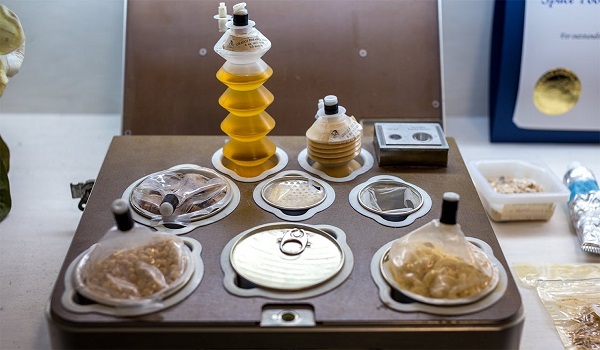
The upcoming Artemis II mission is not only a major leap in space exploration but also a compelling example of how the food and beverage (F&B) industry adapts to extreme environments. With a carefully curated menu of 189 items, NASA is elevating space dining by combining nutrition, variety, and comfort for astronauts during their 10-day journey around the Moon.
Beverages form a crucial part of the astronauts’ daily intake, both for hydration and morale. The crew will have access to more than 10 drink options, including coffee, green tea, cocoa, smoothies, lemonade, and breakfast drinks. However, due to strict payload limitations, each astronaut is limited to two flavored beverages per day, reflecting the balance between variety and logistical constraints in space missions.
The food menu emphasizes familiar, comfort-driven meals adapted for microgravity conditions. Items such as tortillas, wheat flatbread, vegetable quiche, mac and cheese, and barbecued beef brisket are included because they are easy to handle, less crumbly, and nutritionally dense. Alongside these are healthier options like couscous with nuts, mango salad, and tropical fruit, ensuring a balanced diet in space.
To counter reduced taste sensitivity experienced in microgravity, NASA has enhanced the menu with strong flavors and condiments. The inclusion of five types of hot sauces, along with mustard, maple syrup, peanut butter, and other flavorings, highlights the importance of taste stimulation in maintaining appetite and satisfaction.
Desserts and snacks also play a key role in boosting morale during the confined mission. The menu features cakes, puddings, cookies, chocolate, and candy-coated almonds, underlining the emotional and psychological importance of food beyond its nutritional value.
Due to the absence of refrigeration on the spacecraft, no fresh food is included. Instead, all items are shelf-stable—ready-to-eat, rehydratable, thermostabilized, or irradiated. Meals are prepared using a water dispenser and a compact heater, showcasing advanced food processing and packaging technologies similar to those used in modern packaged F&B systems on Earth.
From an industry perspective, the Artemis II menu highlights key trends such as the importance of shelf-stable innovation, efficient packaging, portion control, and flavor enhancement. As space missions become longer and more complex, these innovations could influence future food systems back on Earth.
The mission is set to launch from the Kennedy Space Center, specifically from Launch Complex 39B, reinforcing its legacy as a historic hub for human spaceflight.