

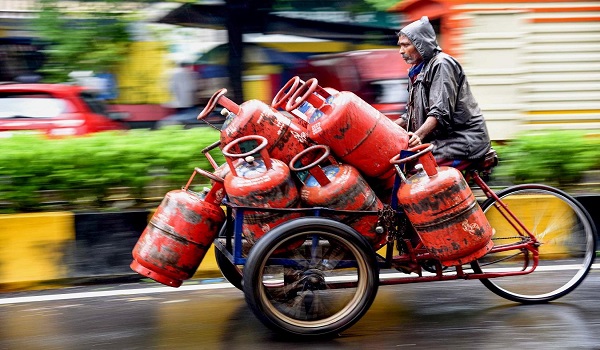
In a move aimed at stabilizing energy supply for critical industries, the government has increased liquefied petroleum gas (LPG) allocation to 70% of pre-March 2026 consumption levels for key sectors, including food processing and agriculture.
According to a communication from the Ministry of Petroleum and Natural Gas (MoPNG), industrial units in food, agriculture, and allied segments will now receive enhanced LPG supplies, subject to a sectoral cap of 200 tonnes per day.
The decision comes as part of a broader effort to ensure uninterrupted operations in essential sectors amid ongoing energy pressures. Food processing units, cold chain operators, and agri-linked industries that rely heavily on LPG for heating, processing, and packaging are expected to benefit from the higher allocation.
To avail the increased supply, units must register with state-run oil marketing companies. Additionally, industries are required to apply for piped natural gas (PNG) connections through city gas distribution networks, signalling the government’s push toward cleaner and more stable fuel alternatives.
However, the ministry clarified that units using LPG as a critical input in manufacturing—where substitution with natural gas is not feasible—will be exempt from the PNG adoption requirement.
In a parallel measure supporting the agri value chain, the government also raised natural gas allocation for fertiliser plants to nearly 95% of their average consumption, ensuring steady nutrient supply for the upcoming crop cycles.
The measures reflect a calibrated approach to balancing fuel availability across sectors while nudging industries toward long-term energy transition. For the food and agriculture ecosystem, the enhanced LPG allocation is expected to ease operational bottlenecks and support production continuity.