

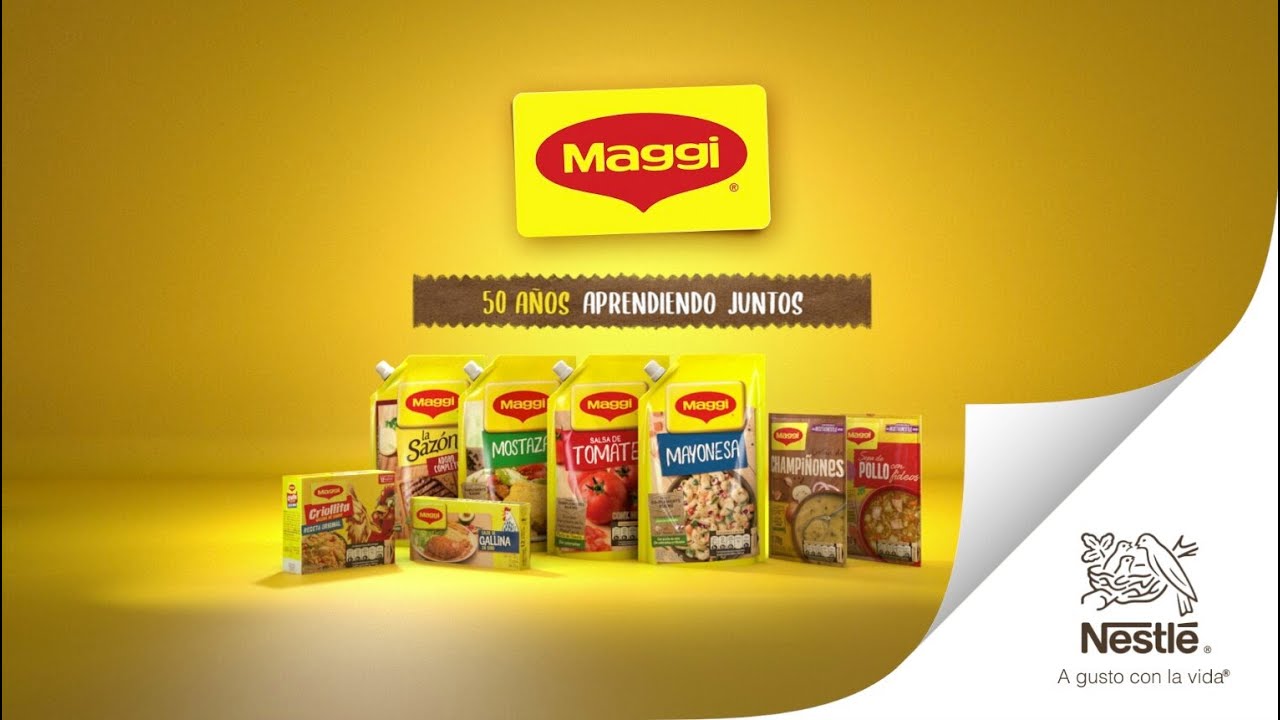
As Maggi completes 50 years in India, parent company Nestlé India is navigating a delicate balance—leveraging the brand’s deep-rooted emotional connect while adapting to rapidly evolving consumer preferences.
Widely credited with creating India’s instant noodles category, Maggi has grown into a household staple, with over six billion servings consumed in FY2023–24, making India its largest global market. Today, the brand has expanded beyond noodles into spice mixes, pasta, and sauces, forming part of a ₹6,311-crore prepared dishes and cooking aids portfolio that contributes 31.4% to Nestlé India’s FY25 revenue.
Maggi’s journey in India began in 1975 with stock cubes, followed by the launch of its iconic 2-Minute Noodles in 1983—an innovation that transformed quick meals in Indian kitchens. Globally, the brand traces its origins to 19th-century Switzerland, when it was founded by Julius Maggi and later acquired by Nestlé in 1947.
Despite its scale and legacy, the brand’s challenge today lies not in market reach but in staying relevant amid shifting consumption patterns. Nestlé executives say Maggi’s core identity—including its iconic yellow packaging—will remain unchanged, even as the brand introduces contemporary elements such as Korean-inspired flavours and limited-edition innovations.
Maggi continues to dominate India’s instant noodles segment with an estimated 60% market share, although competition has intensified with the presence of brands like Sunfeast YiPPee!, Wai Wai, Top Ramen, Ching’s Secret, and Patanjali Atta Noodles.
However, the company maintains that its primary competition is not other brands but changing consumer behaviour. To address this, Maggi has diversified its portfolio with perceived healthier options such as atta, millet, and oat-based noodles, while continuing to cater to its core audience—Indian households.
The brand has also embraced regionalization, tailoring flavours and products to local tastes. While chicken variants perform better in North India, products like Masala-ae-Magic see stronger demand in southern markets. Urban centres, meanwhile, are driving adoption of health-focused offerings.
Maggi’s marketing strategy has evolved from traditional on-ground activations to a digital-first, omnichannel approach, focusing on emotional engagement and cultural relevance. Recent initiatives include limited-edition launches like the Signature Maggi Bowl and the expansion of “Maggi Hotspots”—small-format kiosks in high-footfall locations such as colleges and tourist destinations.
The brand’s recent foray into Korean-inspired flavours reflects its effort to tap into global cultural trends while retaining its core identity.
At 50, Maggi remains a dominant force in India’s food landscape. Yet, as consumer preferences shift toward health, variety, and experimentation, Nestlé’s strategy appears clear: evolve with the times, but protect the familiarity that made Maggi a national comfort food.